 Greg Hoffman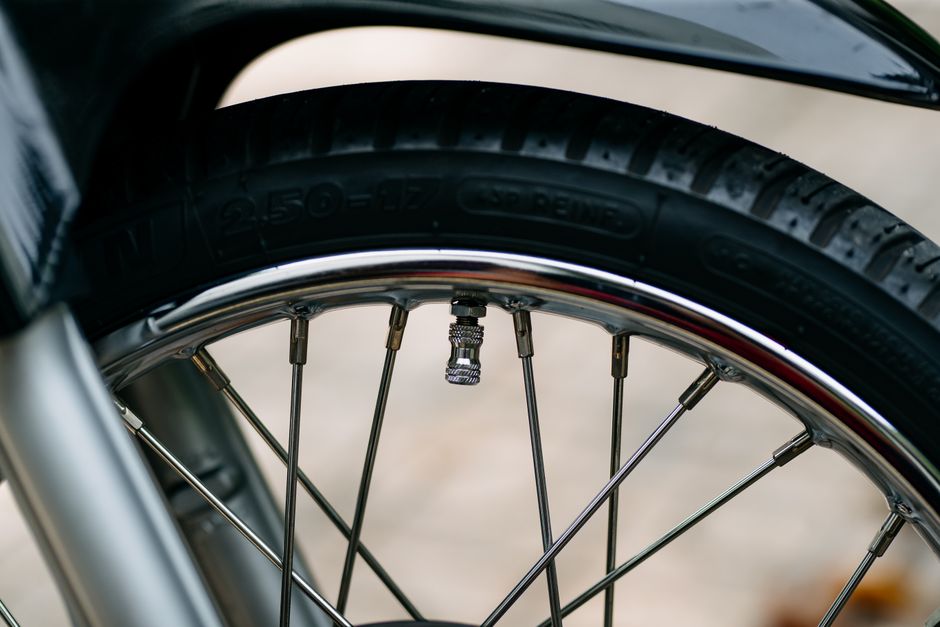
If you’ve bought a trailer in the last few years or you’re thinking about buying one in the next 18 months, you need to know what just happened in March. The RV Industry Association approved a mandate that will change every new towable RV hitting dealer lots starting in 2028. Tire pressure monitoring systems, or TPMS, are about to become standard equipment on all new trailers under 26,000 pounds GVWR. That’s most of us.
You might be wondering if this is actually a big deal, or if it’s the kind of safety regulation that sounds important but doesn’t really change your camping life. The honest answer is both. If you’re shopping for a trailer now, you don’t need to rush or panic. If you already own one, the mandate doesn’t affect you. But the shift that’s happening between now and 2028 matters more than you might think, and understanding what’s coming will help you make smarter decisions about what to buy and when.
Why This Happened, and Why It Actually Matters
For years, RV owners have dealt with tire failure the same way truck drivers do: you don’t know there’s a problem until it’s too late. A tire loses pressure slowly. You’re driving through Nevada in July. You don’t feel anything different. Then suddenly, at 55 miles per hour, the tire fails. If you’re towing, your trailer is now swinging. If you’re not paying attention, or if you’re tired, things go very wrong very quickly.
The data on this is sobering. According to industry experts tracking tire safety, roughly 85% of tire blowouts are preventable with proper pressure monitoring. That’s the gap the new rule is designed to close. A TPMS system monitors the pressure and temperature of each tire in real time. The moment pressure drops or temperature climbs past a safe threshold, the system alerts you. Not an hour later. Right then. You can pull over, check the tire, and deal with it while you’re going 20 miles an hour instead of discovering the problem when your trailer is already coming apart.
The RVIA board approved the requirement on March 10, 2026, with an implementation date of January 1, 2028, when manufacturers begin producing 2028 model year trailers. That’s roughly a year and a half away. It’s not an immediate change, but it’s also not distant enough to ignore. Manufacturers are already planning for this, dealers are starting to understand the implications, and if you’re currently shopping, you should know what the landscape looks like right now and what it will look like very soon.
What’s Actually Changing on the Lot
| Trailer Category | TPMS Status | Timeframe | Cost Consideration |
|---|---|---|---|
| Older used units | No TPMS | Pre-2026 | None (already purchased) |
| 2026-2027 model year | Optional upgrade | Now-2027 | $500-$1,200 additional |
| 2028+ model year | Standard equipment | 2028 onward | Cost built into base price |
| Retrofit (existing trailer) | Aftermarket system | Anytime | $800-$1,500 installed |
Here’s where the situation gets nuanced. The mandate applies to new trailers, period. Every towable under 26,000 GVWR that rolls off a factory line after January 1, 2028 will come equipped with a TPMS system. But between now and then, you’ll see three categories of trailers for sale: older used units with no TPMS, current model year trailers (2026 and 2027) that may or may not have TPMS as optional equipment, and 2028 and newer models where TPMS comes standard.
The optional availability part is important. Some manufacturers are already offering TPMS as a factory upgrade or standard feature on higher-end models. TST (Truck Systems Technologies) is the market leader here, with 2.2 million RV sensors already installed across the industry. Their systems integrate with your truck’s TPMS if your truck has one, which most modern trucks do. If you’re buying now and you want the safety benefits without waiting until 2028, you can get it. You’ll pay extra, typically $500 to $1,200 depending on the system and how many tires you’re monitoring, but the option exists.
This matters because if you’re shopping right now, you’re at an interesting crossroads. A 2026 or 2027 trailer without TPMS will be cheaper upfront, but it won’t have this safety feature. A 2027 model that’s optioned with TPMS will cost more, but you get the benefits immediately. A 2028 model will have TPMS included, with the cost built into the base price. You’re not saving money by avoiding it; it’s just becoming a standard part of what you’re paying for.
The Retrofit Question: Should You Add It to Your Current Trailer?
If you already own a trailer, this is where the practical rubber meets the road. The mandate doesn’t require existing trailers to be retrofitted. You can keep using your current rig exactly as you’re using it now. But you might want to add a system anyway, and the question is whether it’s worth the expense and hassle.
The real answer depends on three things: how much you value the safety feature, how often you tow, and how old your tires are. If you’re towing 150 days a year and your tires are getting near the end of their service life, a retrofit system that costs $800 to $1,500 installed could save you from a catastrophic failure on the road. That’s not hypothetical. I’ve seen it happen. A trailer with a failing tire doesn’t just damage itself; it endangers the vehicle pulling it and everyone else on the highway.
Retrofitting isn’t as simple as bolting something onto your trailer. You’re talking about sensors on each wheel, a monitoring unit that needs to be powered and mounted somewhere accessible, and integration with your tow vehicle’s display if you want to see alerts in the truck. It’s doable, and more shops are offering the service, but you’re not doing this yourself in an afternoon. Budget for installation time and make sure you’re using a shop that understands RV electrical systems.
The other consideration is resale. When you eventually sell your trailer, a TPMS-equipped unit will be more attractive to buyers, especially as 2028 gets closer and TPMS becomes the expected standard. It’s not going to be a huge price bump, but it’s worth factoring in.
Integration With Your Truck: The Real-World Headache
One of the biggest questions people are asking right now centers on how trailer TPMS systems work with truck TPMS. If your truck has a TPMS system, and your trailer has one, do they talk to each other? Do you get separate alerts? Can you actually see the trailer tire data on your truck’s dashboard?
The short answer is: it depends on the system. Some TPMS systems for trailers are designed to integrate with truck systems, especially if the truck is a newer model. TST’s systems, for example, can work with many truck manufacturer platforms. But this integration is still not seamless across the board. You might see separate alerts on a mounted display in your cab, or you might see alerts on your phone through an app, or you might see them on your truck’s info screen. It varies.
This is something you should ask about specifically when you’re shopping. If you’re buying a trailer with factory TPMS in 2027 or 2028, ask the dealer which system is included and how it integrates with your truck. If you’re retrofitting a current trailer, call ahead to the shop doing the work and ask about compatibility. This isn’t a disqualifying issue, but it’s worth understanding before you buy or install anything.
Timing Your Purchase: The Real Consideration
The practical question a lot of RV folks are asking themselves right now is: should I buy now before the mandate takes effect, or should I wait? The answer isn’t what you might expect.
If you’re planning to buy a trailer in the next 18 months, waiting until 2028 to buy a model year 2028 unit doesn’t necessarily save you money. TPMS will be built into the cost. The real savings come from buying used inventory, but used equipment has its own trade-offs. A 2-year-old used trailer without TPMS might be cheaper upfront, but you’re also buying something older with more wear on the tires and systems.
What I tell people is this: buy based on what you actually need and what makes sense for your situation. If you’re planning to keep the trailer for 10 years, the TPMS feature is worth something. If you’re looking to upgrade in a few years anyway, it matters less. If safety is your primary concern and you’re towing regularly, adding TPMS to your current rig or buying a unit that has it makes sense right now, before it becomes standardized and the aftermarket gets cluttered with cheaper, less reliable options.
The transition period we’re in right now, between March 2026 and January 2028, is actually when you have the most choice and the most flexibility. Manufacturers are still producing non-TPMS units alongside optional TPMS models. Aftermarket retrofit options are available and improving. By 2028, the choice becomes simpler but also more limited. The time to think about what you actually want is now.
Sources
- RVIA Approves TPMS Requirement for Towable RVs (Camper Report, April 7, 2026)
- EXCLUSIVE: TPMS’ Mainstream Adoption Nears After Mandate Approval (RV News, April 15, 2026)
- New TPMS standard, smart trailers, and RV tech updates (RV Travel, April 11, 2026)
- Best Trailer TPMS Systems in 2026: The Complete Comparison Guide (TrailerWatchdog, March 20, 2026)
Photo: Bảo Minh via Pexels