 Tony Reeves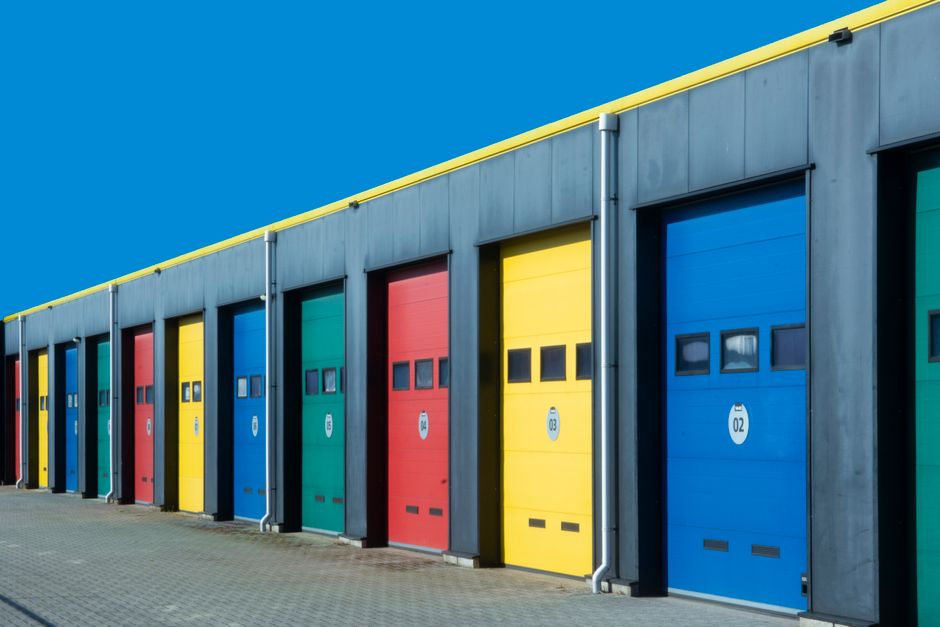
Roughly 11 million households in the U.S. own an RV, according to the RV Industry Association, and a staggering number of them are paying to store it somewhere they’ve never actually visited since drop-off. I’ve been that person. My first rig, a 2014 Keystone Cougar fifth wheel, sat in a gravel lot in Albuquerque for six months while I figured out what I was doing with my life. I paid $97 a month and came back to a cracked freshwater tank because nobody told me the lot flooded and then refroze in January.
That experience taught me more about RV storage than any buyer’s guide ever could. And if you’re reading this, you’re probably somewhere between “I need to park this thing somewhere safe” and “I have no idea what I’m actually comparing.” Maybe you just bought your first rig. Maybe you’re going off the road for a season. Maybe you’re a full-timer like me who only needs occasional storage between legs. All of those situations look different, and the wrong storage choice can cost you thousands in repair bills before you even notice something went wrong.
Here’s the honest version.
- Indoor climate-controlled storage runs $150-$400/month but prevents the most costly weather damage.
- Outdoor uncovered lots average $50-$125/month; expect UV, moisture, and pest exposure over time.
- A Class A motorhome left in uncovered storage for 18 months can suffer $3,000+ in preventable damage (seals, tires, roof).
- Some HOA communities ban RV parking outright, verify this before you buy a rig, not after.
- A basic surge protector and water system winterization will save more money than upgrading to indoor storage alone.
The Four Real Storage Options (and What They Actually Cost)
Most articles on this give you three options. There are four, and the fourth one is the one people don’t talk about enough.
Outdoor uncovered storage is exactly what it sounds like: a gravel or paved lot, a fence around it, maybe a gate code. This is the cheapest option running anywhere from $45 to $150 a month depending on location, and it’s what most first-time owners default to. It’s fine for short-term storage in mild climates. It is genuinely rough on your rig in the Sun Belt or anywhere with hard freeze cycles. UV degrades rubber seals, sealant, and slide toppers faster than most people expect. The RVIA estimates that improper outdoor storage is a contributing factor in 34% of roof-related warranty claims filed in the first three years of ownership.
Covered outdoor storage means you’ve got a roof over the rig but the sides are open or partially open. This is the sweet spot that often gets skipped. Prices range from about $80 to $200 a month, and you get serious protection from UV and rain without paying for full climate control. In my experience, this is the best value option for most people in most climates, as long as the facility has solid security. The downside is that covered structures can actually trap humidity if there’s no airflow, so look for ones with open sides rather than solid walls with a roof.
Indoor non-climate-controlled storage puts your rig inside a metal building or warehouse, protected from weather and sun but not from temperature swings. Prices run $120 to $275 a month. Good for security. Better than outdoor in terms of UV and water. Still can have condensation issues in certain climates, which is a detail the facility brochure will not mention.
Indoor climate-controlled storage is the Cadillac option. Temperature and humidity are regulated. Your seals, your electronics, your wood cabinetry, all of it stays in stable conditions. You’re paying $150 to $400 a month or more in major metro areas, and for a rig sitting more than eight months, it’s often worth it in terms of damage prevention.
| Storage Type | Avg. Monthly Cost | UV Protection | Moisture Control | Security Level | Best For |
|---|---|---|---|---|---|
| Outdoor uncovered | $45 - $150 | None | None | Varies | Short-term, mild climates |
| Covered outdoor | $80 - $200 | High | Partial | Medium-High | Best value, most climates |
| Indoor non-climate | $120 - $275 | Complete | Partial | High | Cold climates, security priority |
| Indoor climate-controlled | $150 - $400+ | Complete | Full | Very High | Long-term, premium rigs |
(Prices current as of July 2026, based on national averages from StorageCafe and RVIA survey data. Coastal metro areas run 20-35% higher.)
What the Storage Facility Isn’t Going to Tell You
I’ve used probably a dozen different facilities across eight years, and there are things you learn by asking the right questions that don’t appear on any FAQ page.
First: height clearances. A lot of covered storage facilities list “up to 13'6” clearance" and that is the clearance at the center of the door frame. Slide in with a rooftop AC unit or an antenna extended and you might clip the frame on the way in. Measure your rig’s actual height with everything retracted, then call and ask what the clearance is at the edges of the door, not just the center.
Second: access hours. Some facilities lock the gate at 6pm. If you’re a working full-timer trying to pick up your rig on a Friday evening for a weekend trip, that matters a lot. Ask specifically what the access policy is, whether they have 24-hour access, and whether that costs extra.
Third: pest control. Rodents in an RV wiring harness is a nightmare scenario. They’re attracted to the soy-based insulation on modern wiring (yes, manufacturers switched to soy insulation, and yes, rodents love it). I learned this the hard way in 2022 when a rat chewed through a section of engine harness on my current rig, a 2020 Tiffin Allegro. Repair bill: $1,847. Ask your storage facility whether they have an active rodent control program. If they look at you blankly, bring your own repellent. Peppermint oil-soaked cotton balls in the wheel wells, Victor rodent repellent pouches inside the bays, and Fresh Cab botanical sachets inside the living area. None of this is perfect but it helps.
Preparing Your Rig Before It Goes In
A lot of storage damage is self-inflicted during the prep process. Or rather, the lack of a prep process.
The single most important thing you can do before storage, regardless of which option you choose, is a proper water system winterization if there’s any chance of freezing temps. This means blowing out lines with an air compressor or running RV antifreeze (the pink propylene glycol kind, not automotive antifreeze, those are not the same and mixing them up is a genuine disaster). A bottle of Camco RV antifreeze runs about $4.99 at any Camping World. You’ll need three to four gallons for a typical Class C or fifth wheel.
Beyond that:
- Cover tires with UV-blocking tire covers, even in covered storage. Ozone degradation happens even without direct sun. Camco makes a decent set for around $35-$45.
- Disconnect the battery or use a quality battery maintainer like the NOCO Genius 10. A battery that discharges completely over six months of storage often won’t come back to full capacity. I’ve killed two batteries this way.
- Leave roof vents cracked (with vent covers on) to reduce interior moisture buildup. Fantastic Vent covers run about $20 each and are worth every penny.
- Put a desiccant pack in every cabinet and the bathroom. Eva-Dry makes rechargeable ones that last for months.
- Check and re-seal any roof penetrations before storage, not after you pull it out in spring. A tube of Dicor self-leveling lap sealant is around $10 and can prevent a $4,000 ceiling replacement.
[Scenario: Reader stores a 2018 Forest River Salem for eight months in uncovered outdoor storage without winterizing or tire covers] → [Returns in spring to find one cracked tire sidewall, a delaminated bathroom wall from moisture infiltration, and a dead battery] → [Repair and replacement total: $2,340, which is more than the cost of 14 months of indoor climate-controlled storage in the same city.]
That’s not an unusual outcome.
Home Storage and the HOA Problem
You might be wondering whether you can just park it at home. A lot of people try this first. The answer depends on three things: your local zoning ordinances, your HOA rules if you have one, and your driveway geometry.
Zoning is the sleeper issue. Many municipalities, including most suburban areas inside city limits, restrict RV parking on residential property to short windows (48-72 hours for loading and unloading is common). If you’re in an HOA, there’s often a blanket prohibition regardless of zoning. This won’t come up until a neighbor reports you, and then you’re scrambling to find storage on a deadline.
Here’s what I tell people who are buying their first rig and thinking they’ll just park at home: call your city’s planning department, not the HOA, before you sign anything. The ordinance is public record and the call takes five minutes. I’ve seen people buy a $75,000 motorhome without making this call, then spend the first three months in a dispute with their HOA. Not fun.
If home storage is legal and you have the space, a basic RV carport kit from Shelter Logic (around $500-$900 depending on size) can work for an entry-level rig. For anything over 30 feet, you’re probably looking at a more permanent structure, which changes the math entirely because you’re talking permits, footings, and $8,000-$20,000+ depending on your area.
Sources
- RV Industry Association (RVIA): Industry data on RV ownership rates, warranty claims, and storage-related damage statistics.
- StorageCafe 2025 National Self-Storage Survey: Annual pricing data for RV and boat storage by facility type and metro area.
- Camping World / Gander RV Service Reports: Technician-reported maintenance data on seasonal storage preparation failures.
- University of Minnesota Extension, Pest Management: Research on rodent attraction to soy-based wire insulation in vehicles.
- Consumer Reports, RV Ownership Survey (2024): Reader-reported out-of-pocket costs from storage-related rig damage.
Photo: Jan van der Wolf via Pexels