 Greg Hoffman
You’ve just signed the paperwork on a brand-new Class A motorhome. The salesperson shook your hand, you drove off the lot giddy, and somewhere around mile 200 you started doing the math. The sticker price was $150,000. But nobody sat you down and said, “Hey, plan on spending another $3,000 to $5,000 a year just keeping this thing running right.”
For some owners, that number climbs well past $10,000 depending on age, mileage, and how far off the beaten path they roam. RV maintenance costs are one of the most underestimated line items in the full-time or part-time RV budget. Getting caught off guard by them is one of the fastest ways to sour what should be an incredible lifestyle.
What Does RV Maintenance Actually Cost Per Year?
| RV Type | Annual Maintenance Cost Range | Key Cost Drivers |
|---|---|---|
| Travel trailers & fifth wheels | $500-$2,000 | Roof sealing, wheel bearing repacks, brake adjustments, appliances |
| Class B campervans | $1,000-$3,500 | Oil changes, routine vehicle service, simpler van systems |
| Class C motorhomes | $2,000-$5,000 | Truck/van chassis service, plumbing, HVAC, 12-volt systems |
| Class A gas motorhomes | $3,000-$7,000 | Engine service, tire replacement ($1,500-$2,500 per set) |
| Class A diesel pushers | $4,000-$10,000+ | Diesel oil changes ($300-$600), tag axle tires, air suspension, DPF cleaning |
The honest answer is: it depends heavily on what you’re driving. A 22-foot travel trailer has almost nothing in common with a 40-foot diesel pusher when it comes to cost. But here are some real ballpark numbers to anchor your planning.
Travel trailers and fifth wheels: Expect $500 to $2,000 annually for routine maintenance. You’re not dealing with an engine or transmission, so the cost profile is dominated by roof sealing, wheel bearing repacks, brake adjustments, and appliance upkeep.
Class B campervans: These run $1,000 to $3,500 per year. You have a standard vehicle chassis (usually a Mercedes Sprinter, Ford Transit, or Ram ProMaster), so oil changes and routine vehicle service are straightforward. The van systems tend to be simpler than larger rigs.
Class C motorhomes: Budget $2,000 to $5,000 per year. You’ve got a truck or van cutaway chassis plus a living space with plumbing, HVAC, and 12-volt systems. More complexity means more things that break.
Class A gas motorhomes: Plan for $3,000 to $7,000 annually. Tires alone can cost $1,500 to $2,500 for a full set, and you’ll replace them every 5 to 7 years regardless of tread depth due to sidewall degradation.
Class A diesel pushers: The upper end. Routine maintenance can run $4,000 to $10,000 or more per year. A diesel oil change on a Cummins ISX or CAT C9 typically costs $300 to $600 by itself. Tag axle tires, air bag suspension service, and diesel particulate filter cleaning add up fast.
These aren’t scare numbers. They’re what experienced full-timers actually report when you get them talking honestly. You can find a deeper breakdown of the ongoing financial picture in our full-time RV living cost guide, which covers everything from campground fees to insurance.
The Big-Ticket Items You Can’t Ignore
Some maintenance expenses are predictable. Others sneak up and punch you in the wallet. Knowing the difference helps you build a smarter reserve fund.
Roof maintenance is arguably the single most critical recurring expense for any RV. A delaminated wall or water-damaged subfloor caused by a neglected roof seal can cost $5,000 to $15,000 to repair. The preventive work, resealing seams, inspecting lap sealant, cleaning and conditioning an EPDM rubber roof, costs maybe $50 to $200 in materials and a few hours of your time twice a year. This is not optional.
Tires are the big wildcard. Most RV owners don’t realize that RV tires expire based on age, not tread depth. The industry standard is five to seven years from the DOT manufacture date stamped on the sidewall. A set of six 235/80R22.5 tires for a Class A can run $2,000 to $3,500 installed. Budget for this as a sinking fund, not a surprise.
Slideout mechanisms and seals are high-wear components. Slideout seals should be lubricated and inspected at every season, and the electric or hydraulic motors fail more often than manufacturers admit. A slideout motor replacement runs $300 to $800 in parts alone.
Generator service follows a mileage and hour-based schedule. An Onan 5500 generator needs an oil change every 100 hours. Spark plugs, air filters, and fuel filters go out on a schedule too. Neglect this and you’re looking at a $2,000 to $4,000 carburetor rebuild or generator replacement.
Fresh water system components including the water pump, water heater anode rod, and all hose connections need annual attention. Replacing a water heater anode rod costs about $10 and takes 15 minutes. Ignoring it means replacing a $400 water heater in three years instead of ten.
Routine Maintenance Schedule: What to Do and When
Staying ahead of problems is far cheaper than reacting to them. Here’s a realistic maintenance cadence.
Every trip (pre-departure checklist):
- Check tire pressure including the spare
- Inspect roof and all exterior seams visually
- Test all lights and turn signals
- Confirm propane connections are secure
- Check that slideouts close and seal completely
Every 3 months or 3,000 miles (whichever comes first):
- Engine oil and filter change (motorhomes)
- Chassis lubrication points
- Check battery water levels on flooded lead-acid batteries
- Inspect brake lights, running lights, and 7-pin connector
- Clean and condition roof
Every 6 months or at season changes:
- Repack wheel bearings on towed trailers (or inspect sealed bearings)
- Lubricate slideout mechanisms and seals with Protect-All or 303 Aerospace Protectant
- Flush and sanitize fresh water tank using 1/4 cup bleach per 15 gallons, let sit, then flush thoroughly
- Inspect and clean furnace exhaust and intake vents
- Test carbon monoxide and propane detectors, replace batteries
Annually:
- Replace water heater anode rod
- Full brake inspection and adjustment
- Generator service (oil, filters, spark plugs if applicable)
- Inspect and reseal all roof penetrations and exterior caulk
- Professional roof walk-through if you’re not comfortable doing it yourself
A good RV buying checklist helps you establish a baseline condition when you first acquire a rig, making future maintenance tracking much easier.
DIY vs. Paying Someone Else: The Real Trade-Off
RV repair labor rates at dealerships commonly run $120 to $175 per hour. Some specialty diesel shops charge over $200. That’s just the reality of specialized skills and the overhead of maintaining bays large enough to fit a 40-foot coach.
Learning to handle basic maintenance yourself can save thousands per year. An oil change on a gas-powered Class C motorhome costs $25 to $50 in materials and maybe 45 minutes of your time. At a shop, the same service runs $150 to $250.
That said, some things most DIYers shouldn’t touch: chassis brake work, propane system repairs, and anything involving the chassis air suspension or hydraulic leveling system. The liability risk and safety stakes are too high.
The sweet spot is handling all the preventive work yourself (roof, seals, filters, lubrication, water system) and using professionals for the mechanical and structural stuff. YouTube is genuinely a game-changer. Channels dedicated to RV repair have walked thousands of owners through jobs they never thought they could do.
A good entry-level toolkit includes a lap sealant like Dicor (self-leveling for horizontal surfaces, non-sag for vertical), a multimeter for diagnosing 12-volt issues, a quality torque wrench, and a tire pressure monitoring system. The TPMS alone is arguably the best $80 to $150 you’ll spend, since a blowout from low pressure can cause $10,000 in damage to a fender, storage bay, or slideout in seconds.
Maintenance Costs by RV Type: A Quick Comparison
| RV Type | Annual Routine Maintenance | Major Component Risk | DIY Friendliness |
|---|---|---|---|
| Travel Trailer | $500 to $2,000 | Roof, wheel bearings, brakes | High |
| Fifth Wheel | $800 to $2,500 | Roof, pin box, slideouts | High |
| Class B Van | $1,000 to $3,500 | Van drivetrain, water system | Medium |
| Class C Gas | $2,000 to $5,000 | Engine, slideouts, roof | Medium |
| Class A Gas | $3,000 to $7,000 | Tires, roof, slideouts | Medium-Low |
| Class A Diesel | $4,000 to $10,000+ | Diesel drivetrain, tires, DPF | Low |
If you’re still deciding which platform fits your lifestyle and budget, comparing Class A vs Class B vs Class C options with maintenance costs in mind is smart before you commit.
Building a Maintenance Reserve Fund That Actually Works
The biggest financial mistake RV owners make is treating maintenance as an expense to handle when it happens rather than a predictable cost to fund in advance. A blown tire on the side of I-10 in west Texas is not the time to figure out you don’t have $500 liquid.
Here’s a simple framework. Take the annual maintenance estimate for your RV type from the table above. Add 20% as a buffer. Divide by 12. That’s your monthly maintenance reserve contribution.
For a Class C owner: $3,500 annual estimate, plus $700 buffer, equals $4,200 per year, or $350 per month set aside in a dedicated savings account. When the roof develops a soft spot or the water heater quits, you’re annoyed but not panicked.
Some owners invest in RV extended warranties, particularly on used rigs. These range from $1,500 to $5,000 annually depending on coverage and RV class. The value proposition gets debated heavily in RV communities. The honest take: they make the most sense on older diesel pushers where a single repair can exceed the annual premium several times over. For newer rigs still under manufacturer warranty, the math usually doesn’t favor buying one immediately.
Getting a used vs. new RV comparison is worth your time because the age and condition of the rig dramatically changes what your maintenance reserve should look like.
RV maintenance isn’t a mystery. It doesn’t have to be a financial nightmare. It rewards preparation, consistency, and a willingness to learn. The owners who enjoy this lifestyle for years without drama are almost always the ones who treat their rig like the complex, expensive, livable machine it actually is. A Saturday morning on the roof with a tube of Dicor is genuinely more enjoyable than a week waiting at a dealership service bay. Start building those habits now and your future self will be grateful.
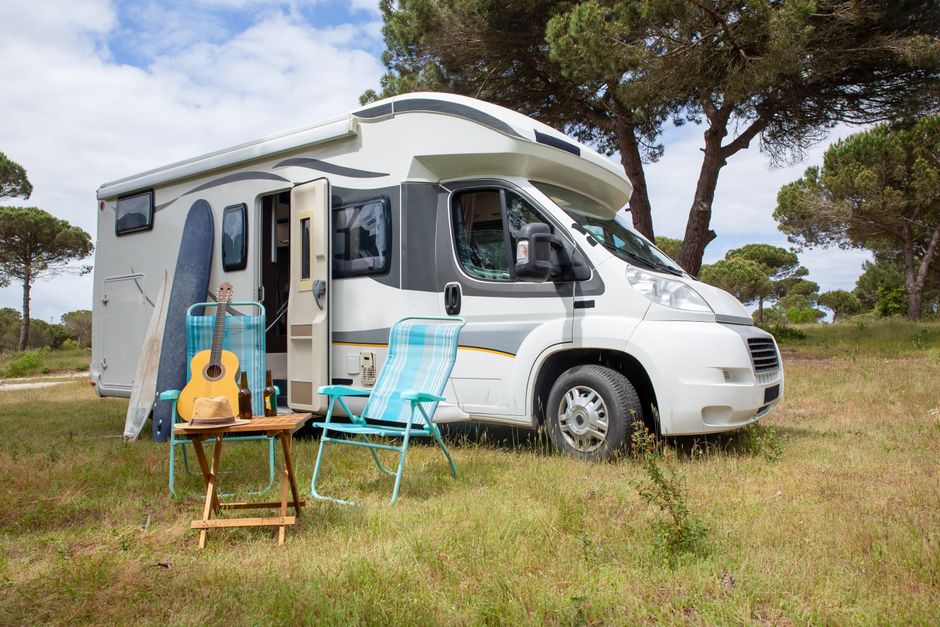
Photo: AI25.Studio Studio via Pexels
Sources
- AI25.Studio Studio
- Renogy 200W Solar Starter Kit + 30A Charge Controller
- Renogy 2×100W Monocrystalline Solar Panels
- Hey, plan on spending another $3,000 to $5,000 a year just keeping this thing running right. For
- when you get them talking honestly
Disclosure: As an Amazon Associate, we earn a small commission from qualifying purchases at no extra cost to you. We only recommend products that genuinely support the topics covered in this article.
- Renogy 200W Solar Starter Kit + 30A Charge Controller (~$169), Complete beginner solar kit, 200W monocrystalline panel, charge controller, and mounting hardware included.
- Renogy 2×100W Monocrystalline Solar Panels (~$99), Expandable 200W panel set from the most trusted DIY solar brand, used widely in off-grid and home backup systems.