 Greg Hoffman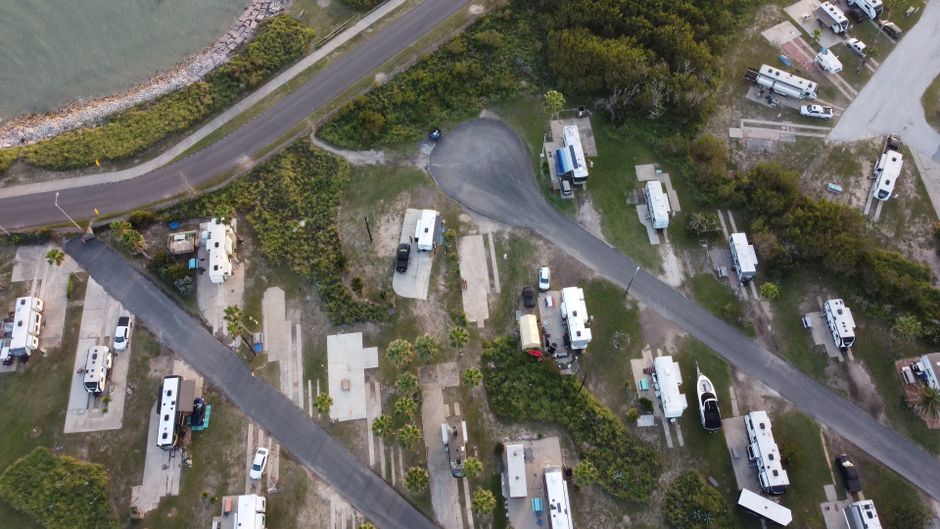
Most “best RV bloggers” lists are basically just SEO bait. They rank by Instagram follower counts, not by whether anyone actually learned something useful. I’ve been living full-time in a rig since 2018, and the blogs that actually helped me were rarely the ones winning “top 10” roundups.
So here’s a list built on a different filter: did reading this person save me time, money, or a breakdown on the side of I-70? If yes, they’re in.
Why Most Blogger Recommendation Lists Miss the Point
The RV content space exploded around 2020 when everyone suddenly wanted to “escape.” A lot of those creators built big audiences fast, then discovered that big audiences require constant content, which requires monetization, which requires affiliate deals, which starts to quietly reshape what they talk about (and what they don’t). I’m not accusing anyone of being dishonest. I’m saying the incentives push bloggers toward aspirational content and away from “here’s why our rig sat at a diesel shop for three weeks in Albuquerque.”
The blogs worth following are the ones where the writer has clearly made the expensive mistake themselves and is telling you so you don’t have to.
The Bloggers I Actually Read
Technomadia (Chris and Cherie) have been at this since 2006, which in internet years makes them practically ancient. What separates them: they’ve done obsessive, first-person testing on mobile internet gear, RV electrical systems, and lithium battery upgrades at a depth you won’t find on YouTube. Their mobile internet resource center is genuinely technical. When I was trying to figure out whether to pull the trigger on a 200Ah lithium setup, their write-up on actual discharge behavior in cold weather changed how I sized my system. That’s not a small thing when you’re spending $1,200 to $1,800 on a Battle Born or Renogy bank.
Less Junk More Journey (Marc and Julie) skew toward the lifestyle side, but Marc writes about campground realities with a candor that’s rare. He’s been publicly annoyed about campground price inflation, the reservation system mess at National Parks, and the general “Instagram vs. reality” gap in RV content. That kind of editorial willingness to say something mildly unpopular earns trust.
FitRV (James and Stef) have done some of the most methodical product testing in this space. Their solar panel shootout, where they ran standardized output tests across a dozen brands over multiple days, is exactly the kind of content I wish existed when I was spec’ing my roof. That test alone probably saved me from buying a budget panel that underperformed by 18% compared to its rated wattage.
Wheeling It (Nina and Paul) cover boondocking with actual rigor, not just pretty photos. Nina’s posts on water system management for dry camping are practical enough to use as a checklist. They’ve also been honest about mechanical issues in a way that makes the content feel real.
A few smaller ones worth bookmarking: RVwithTito (strong on DIY repairs, doesn’t over-produce), and The Fit RV (already listed, but worth repeating because they keep publishing when others have coasted).
As of June 2026, a good chunk of the pre-2020 RV blog catalog has gone quiet or turned into podcast funnels. Check the “last updated” date before you trust any infrastructure or campground pricing info.
What Good RV Blogging Actually Looks Like
| Expense Category | Monthly Cost Range | Notes |
|---|---|---|
| Full-time RV (couple, campground-heavy) | $2,500-$4,500 | Depends on nightly rates and membership leverage |
| Nightly campground rate | $40-$75 | Most decent parks, current pricing |
| Campground costs (all-paid strategy) | ~$1,400 | 45-day Southwest loop example |
| Campground costs (mixed BLM/Harvest Hosts) | ~$600 | 45-day Southwest loop with Harvest Hosts ($99/year) |
| Lithium battery bank (Battle Born/Renogy) | $1,200-$1,800 | 200Ah setup example |
Here’s the thing most people don’t realize: the format matters as much as the content.
A blog that was meticulously maintained through 2022 might still rank highly and look authoritative, but if fuel prices, campground rates, or rig recommendations in that post are two years stale, you’re getting bad data. I made this mistake myself: I trusted a “best budget RVs” post that was ranking on page one and nearly bought a Heartland Mallard based on it. That specific model year had well-documented delamination issues that the post never mentioned because it predated the owner complaints. Lesson learned.
What to look for: recent posting dates, first-person mentions of specific failure modes, and any honest accounting of costs. If a full-time RV blogger won’t tell you roughly what they spend per month, they’re either doing it wrong or hiding something.
The better bloggers will tell you that full-time RV life costs, on average, somewhere between $2,500 and $4,500 per month for a couple, depending heavily on whether you’re paying for campgrounds nightly ($40 to $75 per night at most decent parks right now) or leveraging memberships like Thousand Trails, Harvest Hosts, or a combination of Passport America and Boondockers Welcome. Those numbers matter. Enthusiasm doesn’t pay for propane.
Three Worked Examples From Real Readers
A reader named Dale from Phoenix emailed me last spring after he’d followed generic “YouTube RV influencer” advice on leveling blocks and ended up with a set of cheap interlocking foam blocks that compressed under his 32-foot fifth wheel. His rig was out of level by morning. He switched to Camco’s 10-pack of heavy-duty leveling blocks after seeing them recommended on Technomadia with load ratings included. Problem solved the next trip.
Scenario: Reader following influencer content on solar → Bought a 100W panel based on “plenty for a weekend camper” framing → Ran out of power at hour 14 of a cloudy day with a residential fridge running. After reading FitRV’s output-testing posts, he resized to a 400W array with a battery monitor. Now he has real data on his system instead of guessing.
Scenario: Couple planning first long-term trip used Marc and Julie’s campground strategy posts to shift from all-paid-sites budgeting → Incorporated Harvest Hosts ($99/year) and BLM land stays → Cut campground costs from $1,400/month to roughly $600/month on a 45-day Southwest loop.
Sources
- Technomadia Mobile Internet Resource Center: Deep technical reference on cellular signal, data plans, and equipment testing for full-timers.
- FitRV Solar Shootout: First-person comparative output testing of solar panels under real-world conditions, updated periodically.
- Campendium: Aggregated campground reviews with real user pricing data; useful for fact-checking what bloggers claim about campground costs.
- RVIA Industry Reports: Annual shipment and ownership data; useful context for understanding the scale of the full-time RV market.
- Boondockers Welcome / Harvest Hosts: Membership program data and verified host location counts referenced when discussing alternative camping cost strategies.
Photo: Viktoria B. via Pexels