 Barbara Mitchell
Most beginner RV advice starts you at the wrong place. It talks about “finding your style” and “choosing the right rig” before you’ve even figured out whether you actually want to do this, or how much it’s actually going to cost you. Let me back up further than most guides do.
Eight years ago I sold my house in Columbus, Ohio, bought a used 2014 Thor Ace class A for $52,000, and drove it off a dealership lot with exactly zero practice hours. That was a mistake on the practice hours. Not the decision.
Here’s what I wish someone had laid out clearly before I started.
Reality Check Before You Buy Anything
The RV lifestyle looks idyllic from the outside. Instagram doesn’t show the three-hour leak diagnosis in a Walmart parking lot in July, or the campground in Flagstaff where the only open site had no hookups and a wasp nest in the electrical pedestal. Those things happen. They’re manageable. But you should want your eyes open going in.
Two questions that actually matter before you research a single rig:
First, what’s your real budget, all-in? Not just purchase price. Monthly operating costs for a full-timer running a class A or large class C are realistically $2,500 to $4,500 depending on fuel prices, campground preferences, and how much stuff breaks. If you’re weekend warrioring, lower. But don’t let anyone tell you RVing is “cheaper than renting.” For some people in some situations it is. For most beginners, it’s roughly equivalent, with more unpredictability.
Second, how do you handle mechanical uncertainty? If a $400 surprise repair sends you into a spiral, you need a larger emergency fund than you think (I’d say $5,000 minimum, $10,000 comfortable) before you hit the road. This isn’t pessimism. It’s what separates people who love this life from people who sell their rig within 18 months. That attrition rate is real.
The Rig Decision: What Type Actually Fits Beginners
Everyone has an opinion here, and most of it ignores the specific situation of someone new. Here’s how I’d actually rank starting points:
Class B (camper vans): Best for solo travelers or couples who want maximum mobility and don’t need a lot of space. Easiest to drive, easiest to park, worst for full-timing with two people for more than a few months. A decent used one (think a 2019-2022 Winnebago Travato or Airstream Interstate) runs $80,000 to $130,000 as of 2026. Yes, that’s a lot. Yes, the used market has softened since the 2021-2022 boom, but not as much as buyers were hoping.
Class C: The actual sweet spot for most beginners. Drives more like a truck than a bus. Enough living space to be comfortable. The overcab bed is useful storage if you don’t want to sleep up there. Used 2018-2021 Forest River Sunseeker or Coachmen Freelander? You’re looking at $55,000 to $90,000 depending on condition and mileage. These are not small numbers.
Class A: Not the right first rig for most people. I bought one first and I’ll tell you plainly: pulling into a gas station canopy when you don’t yet have a feel for 35 feet is a specific kind of stress you don’t need while you’re also figuring out gray tanks and shore power. If you go this route, budget two full days for practice in an empty parking lot before your first real trip.
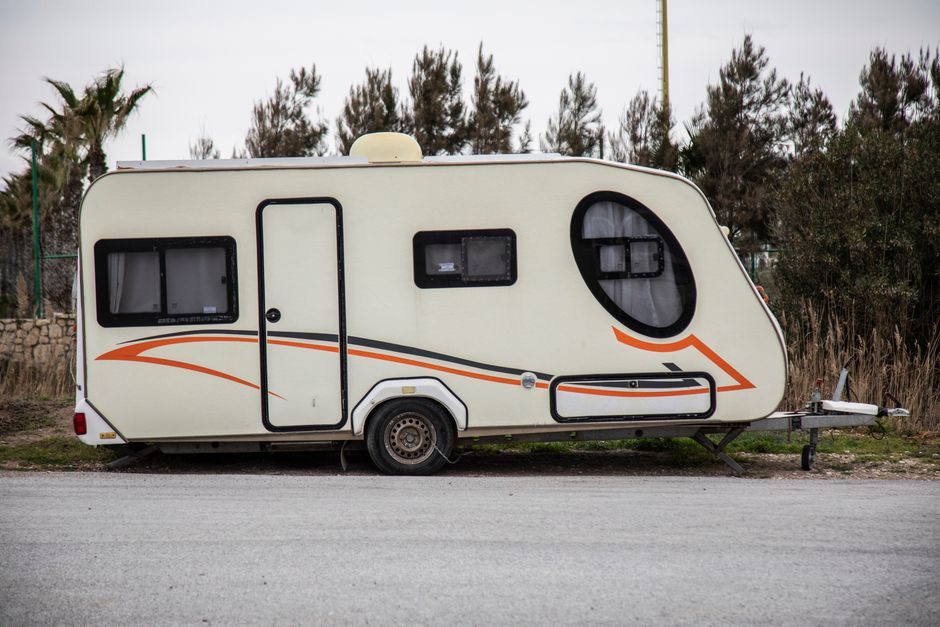
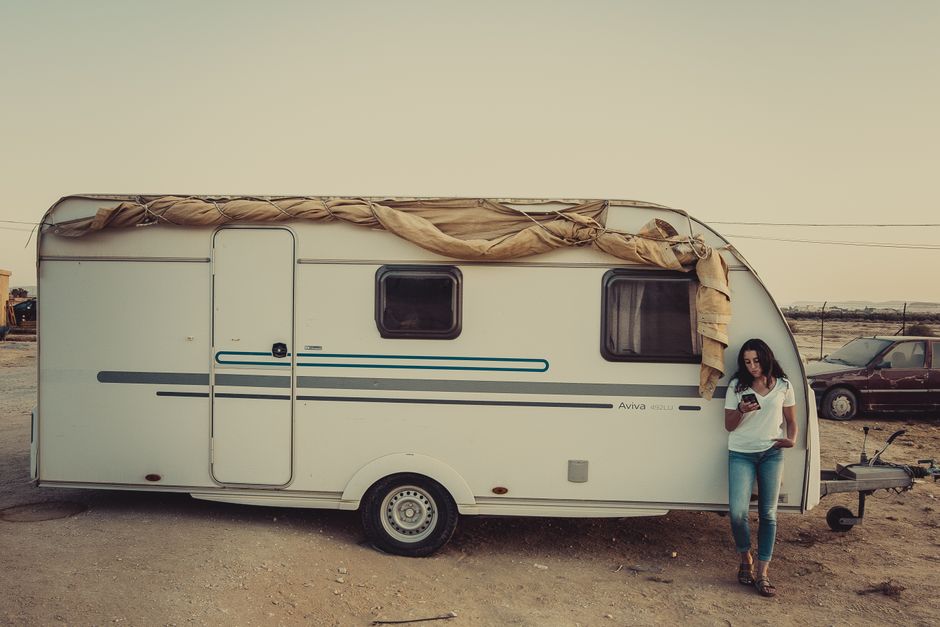
Fifth wheel or travel trailer: If you already own a capable truck (and I mean capable: a half-ton can tow some trailers, but you’re safer with a 3/4-ton or 1-ton for anything over 10,000 lbs), this gives you the best bang-for-buck on living space. The rig costs less than a comparable motorhome, and if it breaks down you can unhitch and drive somewhere. That’s an underrated advantage.
| Rig Type | Typical Used Price (2026) | Driving Difficulty | Best For |
|---|---|---|---|
| Class B van | $75,000–$130,000 | Easy | Solo/couple, frequent moves |
| Class C motorhome | $55,000–$95,000 | Moderate | Beginners, families |
| Class A motorhome | $70,000–$200,000+ | Hard | Experienced or stationary-ish |
| Travel trailer (mid-size) | $18,000–$45,000 | Tow learning curve | Truck owners, budget-conscious |
| Fifth wheel | $30,000–$75,000 | Hitch skill needed | Families, long-term living |
These are ballpark ranges for decent used examples, not floor-scraper deals or pristine showroom condition.
What to Actually Do Before You Buy
Rent first. Seriously. RVshare and Outdoorsy both have solid inventory. Rent a class C for a week. Drive it to a campground you’d actually want to visit. Set up a sewer connection. Cook dinner in the galley. Sleep in it three nights in a row. If you’re doing this with a partner, share that small space for real. Some couples discover an incompatibility they didn’t know existed. Better now than after you’ve written a check.
Scenario: A couple from Portland contacted me after reading one of my pieces. They’d been planning to buy a $95,000 class A. Rented a class C for nine days first. Discovered they hated the driving anxiety and loved the camping but not the full-time part. Bought a $28,000 travel trailer instead, tow it behind their F-250. Weekend warriors now. Happy.
The rental + discovery process cost them about $1,400 in rental fees. It saved them a decision they’d have regretted.
The Systems You Need to Understand
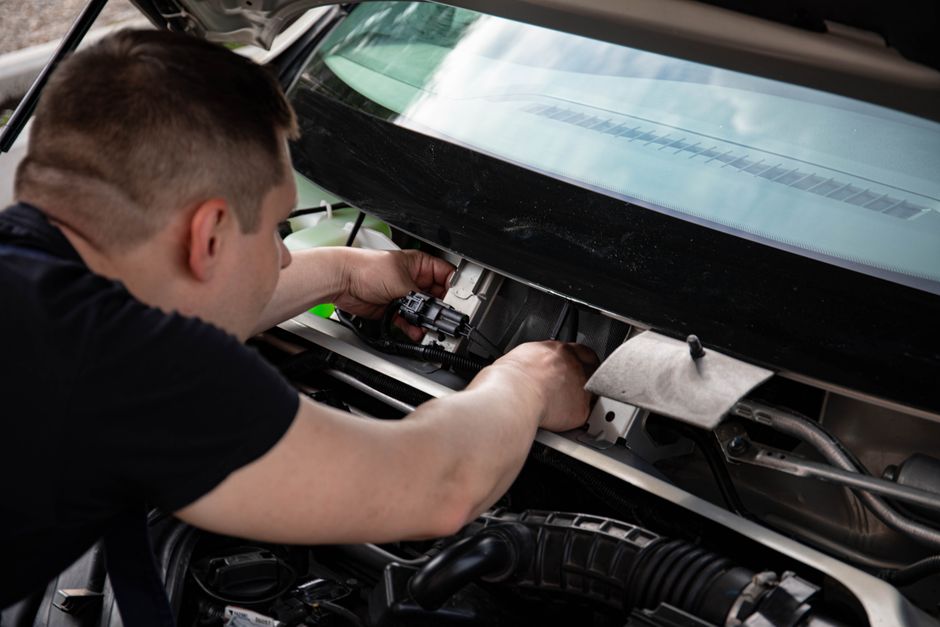
You don’t need to be a mechanic. But you need to be comfortable with the basic systems or you will be at the mercy of RV repair shops, which are expensive, often backlogged (four to six weeks in summer is normal), and not always competent. I say that having worked in automotive maintenance for years before I ever owned an RV.
Electrical: Learn the difference between shore power (plugging into a campground pedestal), battery/12V power, and inverter power. Know your amp draw. A 30-amp service is what most campgrounds offer; a 50-amp is more if your rig has it. Running a microwave and an air conditioner at the same time on 30-amp service will trip a breaker. Get a surge protector before your first trip. Non-negotiable. Campground power quality is all over the place and a bad power event can fry your converter or worse. (Full disclosure: this site may earn a commission on purchases made through links like that.)
Water: Fresh tank, gray tank (sink and shower drain), black tank (toilet). Your black tank requires composure and respect. Invest in a quality water filter for the inlet line. Campground water varies wildly.
Leveling: You’ll need this every time you park anywhere that isn’t a concrete pad. Leveling blocks are cheap and important. Your refrigerator (if it’s absorption style) may not cool properly when the rig is off-level. Your slide-outs might bind.
The first time I tried to dump my black tank, I’d forgotten to confirm the valve handle was actually in the closed position before connecting the hose. I will not describe what happened. The lesson: slow down, check twice, every single time.
What It Actually Costs to Get Started
This is where people get blindsided. The sticker on the rig is just the beginning.
Scenario: First-year realistic cost breakdown for a couple buying a used class C at $65,000:
Purchase price financed at current rates (roughly 8-9% for RV loans as of 2026) on a 10-year loan: approximately $800/month. Insurance: $150-$250/month depending on usage and state. Campground fees: $30-$75/night at most RV parks, which works out to $900-$2,200/month if you’re staying somewhere each night. Maintenance budget year one (optimistically): $1,500-$3,000. Gear, accessories, setup: $800-$2,000 upfront. Fuel: wildly variable based on how much you drive and your mpg (a class C gets 8-12 mpg realistically).
First year all-in, not counting fuel: $25,000-$40,000. That’s with a modest campground budget. Nobody talks about this number clearly. I’m talking about it.
Building Skills Before You’re in the Deep End
Practice driving somewhere boring before you go somewhere scenic. An empty parking lot for backing practice. A rural road for getting comfortable with wide turns. If you’ve never towed before, find an empty lot and practice backing a trailer for two hours before you try to back into a campsite with six families watching you.
Community matters here more than most hobbies. The RV Life app has campground reviews from actual users, not PR departments. The subreddit r/fulltiming and r/rving are blunt and helpful. The Escapees RV Club (annual membership around $55) has an excellent forum and offers mail forwarding services for full-timers who need a legal domicile address, which is a real issue nobody thinks about until they need to register a vehicle or file taxes.
Scenario: I spent my first two weeks camped at one state park 40 miles from Columbus, figuring out every system on the rig before I drove anywhere I couldn’t easily get back from. Discovered a propane leak (slow one, detectable by smell), a gray tank valve that stuck, and that my inverter was undersized. Fixed all three before any real travel. Cost: maybe $350 in parts and a lot of YouTube.
Sources
- RVIA (Recreation Vehicle Industry Association): Industry data on RV shipments, ownership statistics, and consumer trends.
- Escapees RV Club: Practical resources on full-time living, domicile/mail services, and community forums.
- Consumer Reports RV Reliability Survey (2023): Data on reliability and owner satisfaction across rig types and brands.
- RVshare 2025 State of RV Travel Report: Rental trends, average trip costs, and usage patterns from a large rental marketplace.
- FMCA (Family Motor Coach Association): Resources for motorhome owners including roadside assistance and technical guides.
Photo: Kampus Production via Pexels