 Julia Davidson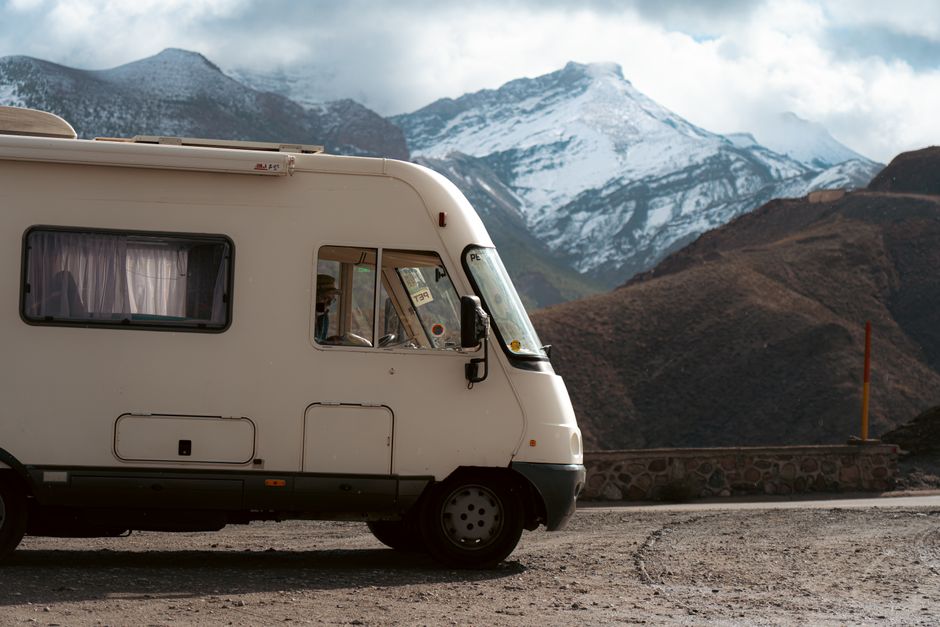
Most RV warranty advice online is written by people trying to sell you a warranty. That’s the problem. Let’s fix it.
I’ve been full-timing for eight years. I’ve owned a Class A diesel pusher, a Class C, and now a fifth wheel. I’ve filed warranty claims, argued with claims adjusters, and watched campground neighbors get burned by coverage they thought they had. My take: extended warranties are worth it for some rigs, some owners, under specific conditions. The blanket “always buy it” advice is noise.
Here’s what actually matters.
The Math Nobody Runs For You
| Repair Type | Typical Cost Range |
|---|---|
| Slide-out motor replacement | $800-$1,400 |
| RV refrigerator (residential compressor) | $1,200-$2,500 |
| Generator rebuild | $2,000-$3,500 |
| Aqua-Hot hydronic system | $3,000-$6,000+ |
| Diesel engine work (injectors, turbo) | $4,000-$12,000+ |
The average RV extended warranty costs between $2,500 and $5,000 for a three-year term, depending on rig class, age, and deductible. Diesel pushers run higher, sometimes $6,000 to $8,000. That’s the sunk cost you’re evaluating against.
Common covered repairs and their real-world prices, as of 2026:
- Slide-out motor replacement: $800 to $1,400
- RV refrigerator (residential compressor unit): $1,200 to $2,500
- Generator rebuild: $2,000 to $3,500
- Aqua-Hot hydronic system: $3,000 to $6,000+
- Diesel engine work (injectors, turbo): $4,000 to $12,000+
Run one major repair and you break even. Run two and you’re ahead. The question is probability, and that depends heavily on the age and brand of your rig.
Here’s a worked example: A reader named Chris from Flagstaff bought a 2018 Tiffin Allegro Bus and added a $5,200 Wholesale Warranties plan when he went full-time in 2023. Eighteen months in, his Aqua-Hot system failed ($4,100 repair) and a slide motor went out ($950). Total claims: $5,050. He came out roughly even, but he’d budgeted that $5,200 as “insurance” not “investment,” so psychologically he felt like he won. That framing matters if cash flow is tight.
Compare that to a couple I met at Thousand Trails near Sacramento in spring 2025. They’d bought a $3,800 warranty on a 2020 Grand Design Reflection. Three years passed. No significant claims. They paid $3,800 for peace of mind on a rig that, statistically, didn’t need it yet. Grand Design’s build quality in that era was solid. They’d have been better off self-insuring into a dedicated repair fund.
The Rigs That Actually Justify the Cost
This is where most articles get vague. I’ll be specific.
Buy the warranty if:
You’re purchasing a used Class A or Class C diesel with 50,000+ miles. Diesel systems are expensive when they break. Period. Same goes for rigs with residential refrigerators, Aqua-Hot or Hydronic systems, automatic leveling (HWH or Lippert), and complex slide toppers. The more systems a rig has, the more entropy it contains.
You’re buying from a manufacturer with a spotty reliability record. I’m not going to name every brand (the RV industry shifts, and I don’t have current defect data by model year that I’d stake my reputation on), but Coachmen Leprechaun, Forest River’s lower lines, and several Thor brands have shown up repeatedly in owner forums for electrical and slideout issues. Search the specific model year on iRV2 before you buy.
Skip it if:
You’re buying a newer rig (under three years old) still under factory warranty. You’re doubling up coverage. You bought a simpler setup: a travel trailer or cargo van conversion with minimal systems. Less to break. The warranty math rarely works in your favor.
You have $10,000+ in a dedicated repair fund. Honestly, self-insuring is the right move for mechanically literate owners who aren’t scared of repair bills. I kept a $7,500 emergency fund for my first three years and came out ahead. The moment I bought a diesel pusher with a 340-horsepower Cummins, I reconsidered.
The Contract Is the Product (Read Every Word)
This is where people get burned, and it’s the part I care most about.
Extended warranties vary enormously in what they actually cover. The marketing says “bumper to bumper.” The contract says otherwise.
Watch for these specific exclusions: cosmetic damage, “normal wear” items (which can include seals, gaskets, brake pads, belts), pre-existing conditions (vague and weaponized by adjusters), and anything related to “improper maintenance” if you can’t produce receipts.
I tested this firsthand when my 2016 Newmar Dutch Star developed a slide seal leak. My warranty company (Good Sam at the time) initially denied the repair as “wear and tear.” I escalated, produced my maintenance log, and got it covered after a two-week argument. That process is exhausting on the road. Go in knowing it’ll happen.
Companies worth considering, as of mid-2026: Wholesale Warranties has strong reviews from full-timers and a repair network that doesn’t require pre-authorization at every shop. America’s RV Warranty and Fidelity Warranty Services also show up consistently in full-timer forums. Avoid anything sold aggressively at the dealership F&I office without an independent quote first. Dealer-sold warranties carry a significant markup, often 30 to 40%.
One worked example: Buying the same coverage from a dealership vs. Wholesale Warranties directly. A 2019 Winnebago View, Class C diesel, three-year mid-tier plan. Dealer price: $4,800. Direct from Wholesale Warranties for comparable coverage: $3,200. Same term, similar exclusions. That $1,600 difference paid for two years of roadside assistance with room to spare.
Self-Insuring: A Legitimate Strategy
A $200-a-month automatic transfer to a high-yield savings account builds a $7,200 repair fund in three years. That’s roughly what a mid-tier warranty costs, and you keep the money if nothing breaks. For full-timers with good mechanical skills and some flexibility on timing (you can wait a week for a part, you can do basic diagnoses yourself), self-insuring is often smarter.
Where it falls apart: if you’re financing the RV and a $6,000 repair could genuinely derail your budget. Or if your peace of mind has real dollar value and you know you’ll lie awake worrying. That’s a valid reason to buy coverage. Just go in clear-eyed that it’s a financial product designed to profit the seller most of the time.
Sources
- Wholesale Warranties (wholesalewarranties.com): Independent warranty broker with published coverage tiers and owner reviews; useful for comparing plan structures.
- iRV2.com Forums: Largest active community of RV owners; real-world repair cost data and warranty claim experiences searchable by rig model.
- Consumer Reports (2024): Survey data on RV reliability by brand and class, with repair frequency and cost estimates.
- RVDA (RV Dealers Association) industry report (2025): Repair cost trends and warranty claim frequency data across dealership networks.
- National RV Training Academy (nrvta.com): Technician training resource with published labor rate data and component failure frequencies.
Photo: Othmane Ettalbi via Pexels