 Julia Davidson
Most people lowball this number by at least $800 a month. I know because I did.
When I sold my condo in 2018 and bought a used Class A diesel pusher, I had run my numbers carefully. Campground fees: $600 a month. Fuel: $300. Groceries: $400. I figured I’d come in around $1,800 total and basically be living cheap. I was so wrong it’s almost embarrassing to type. My first full year on the road, I averaged $3,247 a month, and that was before I replaced the aqua-hot system.
Eight years later, I have a much clearer picture of what full-time RV living actually costs, and I want to give you the honest version, not the “ditch the mortgage and live free!” version that fills YouTube comment sections.
The Number People Actually Want First
I’ll be honest: there isn’t a single answer, and anyone who gives you one without context is guessing. That said, based on my own eight years of expense tracking and conversations with dozens of full-timers in communities like Escapees RV Club and the Workamper Network, here’s a realistic range broken down by lifestyle:
Those figures assume you’ve already bought your rig and your monthly payment (if any) is folded in. They also assume one to two adults, no kids. Kids change everything.
What’s Actually In the Budget
Let me break this down the way I actually track it, not by some category system I invented for the article.
| Category | Budget Tier | Mid-Range | Comfortable | Notes |
|---|---|---|---|---|
| Campground/site fees | $250 | $650 | $1,100 | Annual passes like Thousand Trails change this dramatically |
| Fuel | $200 | $400 | $550 | Varies wildly by how much you move |
| Propane | $35 | $60 | $90 | Higher in northern winters |
| RV insurance | $90 | $140 | $220 | Full-timer endorsement required |
| Health insurance | $280 | $450 | $650 | The biggest wildcard for most people |
| Groceries | $320 | $480 | $600 | Full-timers cook a lot; restaurant money goes here too |
| Vehicle maintenance (rig) | $180 | $280 | $380 | Annualized; doesn’t include big repairs |
| Cell service/WiFi | $80 | $150 | $200 | Usually two carriers for redundancy |
| Memberships (Passport America, etc.) | $15 | $40 | $80 | Pays back fast at the mid-range level |
| Personal care, misc | $90 | $180 | $280 | Laundromats, gym day passes, etc. |
What surprised me was how little movement costs relative to what people expect. Unless you’re relocating every few days, fuel is not your biggest expense. Campground fees are. And health insurance is the category that quietly breaks budgets.
The Campground Math No One Talks About
7 Things We Wish We Knew BEFORE Starting RV Life FULL-TIME (1 month on the road) · Lloyd & Mandy on YouTube
Here’s something that took me two years to figure out properly. The stated nightly rate at a campground is almost meaningless as a budget metric.
Full hookup sites at decent RV parks run $45 to $85 a night right now in most of the Sun Belt. That’s $1,350 to $2,550 a month if you stay put. But almost no full-timer pays that. The system of memberships, discount clubs, and annual passes is genuinely bizarre to outsiders, and even a lot of new full-timers don’t tap it for the first year or two.
The Thousand Trails network (currently around $595 to $895 for an annual zone pass, as of July 2026) can legitimately drop your site costs to near zero if you stay within their campgrounds, which are mostly decent, sometimes great. Passport America costs $44/year and gets you 50% off at 1,900+ campgrounds. Harvest Hosts costs $99/year and lets you stay free at wineries, breweries, and farms, which is not just cheap but genuinely fun. Boondocking on BLM land is free and incredible if your rig has the solar and battery capacity to handle it.
Scenario 1: Reader buys the $895 Thousand Trails annual pass and stays within their network for six months while working remotely → Average site cost drops to about $4.97/night → Saves roughly $1,190/month compared to paying standard rates at equivalent full-hookup parks.
My first year, I ignored all of this and paid full price almost everywhere. Rookie mistake. I left somewhere around $8,000 on the table that year.
A good surge protector is worth buying before you plug into unfamiliar campground pedestals, by the way. The first time I plugged in at a sketchy older park and smelled something burning, I learned that lesson fast. (Site may earn a commission on purchases.)
The Repair Budget Problem
This is the category that breaks people’s budgets and breaks their spirits.
I’ll be honest with you: conventional wisdom says budget 10% of your rig’s value per year for maintenance and repairs. On a $100,000 motorhome, that’s $833 a month. I think that number is realistic for rigs over eight years old, maybe aggressive for newer ones, and possibly optimistic for anything over fifteen years old. The research here is genuinely mixed because rig age, usage patterns, and build quality vary so much.
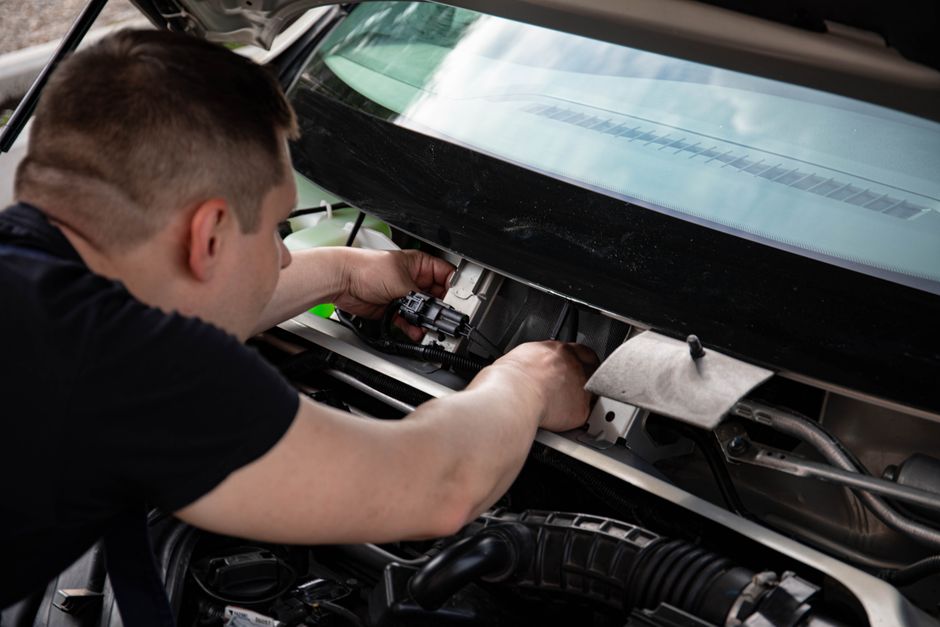
What I know from living it: in eight years, I’ve replaced an aqua-hot system ($3,800), two slides that started leaking ($2,200 and $4,100 in separate years), a generator ($3,400 rebuilt), roof seams I should’ve caught sooner ($1,700), a chassis brake job ($1,100), and four sets of tires on the motorhome ($4,800 each time, roughly). That averages out to around $340 a month, every month, including the quiet ones where nothing breaks. The quiet months are when you should be saving for the loud ones.
Nobody tells you that RV repairs take longer than car repairs because most service bays are booked out four to six weeks. If your slide fails in January in Arizona, you’re probably staying put for a while.
Scenario 2: Full-timer with a 2014 Class C, average repairs running $280/month annualized, decides to skip a spring roof inspection to save $125 → Develops a delamination issue by fall → Repair bill comes in at $6,300 → Had they spent $125 and caught it early, likely a $400 sealant job.
Health Insurance: The Real Number
This is where I see full-timers get punched the hardest, especially if they’re under 65 and not covered by a working spouse’s plan.
Marketplace plans (ACA) for a healthy 45-year-old non-smoker currently run $480 to $750 per month for a silver plan in most states, depending on which state you claim as your domicile (which is a whole separate conversation; South Dakota, Texas, and Florida are popular choices for full-timers partly because of their plan offerings and cost structures). If you’re 55, add another $150 to $200 to those estimates. If you’re a couple, double it and subtract a little for shared plans.
Some full-timers use health-sharing ministries like Sedera or Liberty HealthShare as an alternative. I don’t use them personally, and I won’t pretend I have enough data to say whether they’re a good deal long-term. The cost is lower, sometimes significantly, but the coverage is genuinely different from insurance. If you’re considering that route, go in with your eyes open.
The Domicile and Tax Piece
Choosing where to claim legal residency affects your insurance costs, vehicle registration costs, and state income tax. Texas has no state income tax and is the most common domicile for full-timers; South Dakota and Florida are close behind. This isn’t just a technicality. A full-timer who claims California residency while spending two weeks a year there is potentially paying California income tax rates on their remote work income, which can be several thousand dollars a year more than if they’d established domicile in South Dakota.
I don’t have an accountant’s precision on every state scenario, so if your income situation is complicated, please talk to a tax professional who works with full-timers. The Facebook group “RVers Tax Questions” (yes, that’s a real group) has a list of CPA-recommended by full-timers with actual experience in this.
A Worked Reality Check
Scenario 3: Couple in their early 50s, both working remotely, buying a used 2020 Class A gas coach for $89,000 with a $450/month payment over five years → Total monthly costs: $450 (coach payment) + $380 (two ACA health plans, subsidized at their income) + $680 (campground, mix of memberships and paid sites) + $420 (fuel, moving every 10-14 days) + $310 (groceries and eating out) + $280 (repairs, annualized) + $175 (insurance, phone, misc) = approximately $2,695/month, not counting their car if they tow one → Reasonable and achievable, but leaves almost nothing for emergency repair reserves, which is the dangerous part.
That scenario is a tight but workable budget. The couple I know who actually did something similar said their first major slide repair almost ended their full-timing life because they hadn’t built up any emergency reserves yet. They made it work, but it was stressful in a way they hadn’t prepared for.
Sources
- Escapees RV Club annual member survey (current as of 2026): Member-reported expense data across lifestyle tiers, published internally for members.
- RVLife.com 2025 Full-Timer Cost Report: Annual survey of 1,200+ full-time RVers on monthly expenses by rig class and region.
- Healthcare.gov ACA marketplace: Current premium data by age, plan tier, and domicile state.
- Thousand Trails membership pricing: Current zone pass pricing verified July 2026 at thousandtrails.com.
- Workamper News expense database: Crowdsourced repair and maintenance cost data from full-time workamping community.
Photo: Magda Ehlers via Pexels