 Sandra Park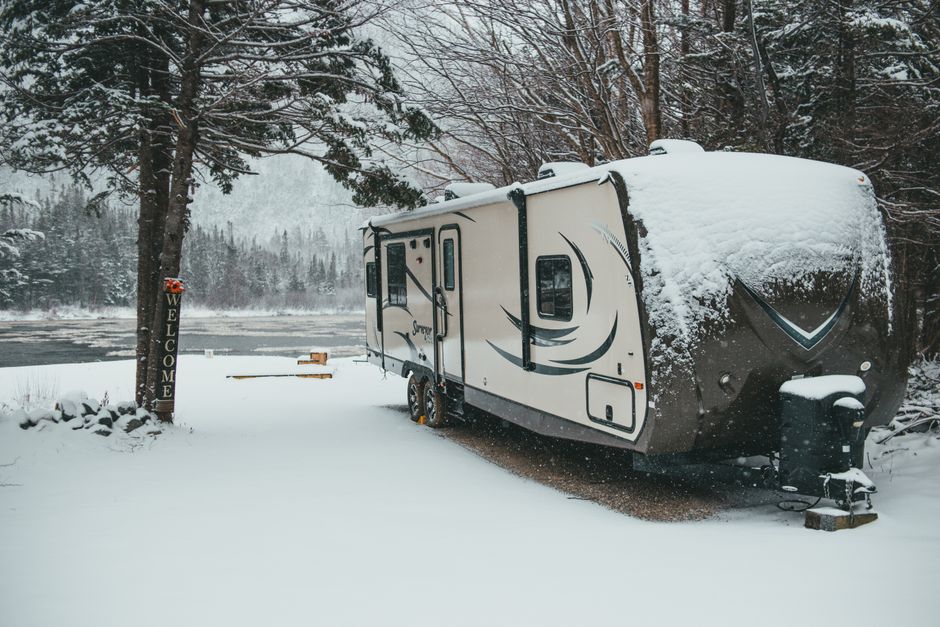
Living full-time in a travel trailer sounds romantic until you’re squeezed into a 19-footer at a campground in Flagstaff in January, the furnace is cycling every eight minutes, your water hose froze overnight, and you realize you packed for a vacation, not a life. I’ve been there. Six years, 90,000-plus miles, and more campgrounds than I can count have taught me that picking the right travel trailer for full-time living isn’t about finding the shiniest floor plan at the RV show. It’s about finding something that won’t break you financially, physically, or mentally over the long haul.
What “Full-Time Livable” Actually Means
The RV industry uses “full-time” loosely. A manufacturer slapping that label on a brochure usually means the trailer has a residential-style mattress and a kitchen with more than two burners. That’s not nearly enough.
True full-time livability comes down to construction quality, insulation rating, storage volume, holding tank capacity, and whether you can actually get parts fixed when something breaks. A gorgeous boutique trailer built by a small manufacturer might be stunning. But when a slide motor dies in rural Nebraska, you need a service center that stocks the part, not a six-week wait for a specialty component shipped from California.
The trailers that survive full-time use get built on heavier frames, use laminated or fiberglass sidewalls instead of aluminum-framed wood, and come from manufacturers with dealer networks across the country. That’s not exciting advice. But I’ve watched two fellow full-timers in our Facebook group dump their trailers within 18 months because of cascading delamination issues. I’ll take boring and reliable over beautiful and fragile every single time.
Insulation matters way more than people expect. A 4-season trailer, meaning enclosed and heated underbellies and insulated slide floors, costs more upfront. But camping in Glacier National Park in September or spending a winter near Asheville requires it. Look for a thermal pane value of R-7 or higher in the walls, and ask specifically whether the water lines run inside the heated envelope. Don’t assume they do just because you’re buying something expensive.
The Travel Trailers Worth Seriously Considering
I’m not going to list 20 options and pretend that helps. Here are the trailers that consistently come up in full-timer communities for real reasons.
Grand Design Reflection 337RLS sits near the top of most full-timer lists. The build quality is noticeably better than competitors in its price range, roughly $55,000 to $65,000 new. The rear living room layout gives you actual couch space facing a proper entertainment center, and the bedroom fits a king-size residential mattress. Storage underneath is generous. The insulation package handles three seasons well; four-season use requires their Cold Weather Package, which you should spec at purchase.
Keystone Montana 3855BR is a fifth wheel. Yes, I know you said travel trailer, but I’d feel dishonest not mentioning it. If you have a pickup capable of pulling a fifth wheel, the Montana’s bunkhouse layout is the closest thing to a stick-built floor plan you’ll find on wheels.
For travel trailers specifically, the Lance 2465 deserves attention. Lance builds with aluminum framing throughout, which eliminates the rot-prone wood frame issues that kill so many trailers used heavily over years. It’s lighter than most in its class, which matters for fuel costs over time. Expect to pay $45,000 to $55,000.
The Airstream Classic 33FB is expensive, around $115,000 to $125,000, but it’s a different category of construction. Riveted aluminum shell, no wood in the exterior walls, and a dealer network that’s existed since the 1930s. I’ve met full-timers doing their eighth year in an Airstream. I’ve never met anyone doing their eighth year in a budget brand trailer.
Budget-conscious full-timers often land on the Forest River Flagstaff Micro Lite or Coachmen Apex for their first trailer. They’re fine starters. Know upfront that the furniture and fixtures are flimsy compared to higher-end builds. Budget extra for upgrades like a better mattress and interior organization solutions right away.
Side-by-Side: Key Specs That Matter for Full-Time Use
FIRST TIME TOWING AN RV? Watch this first! Travel Trailers and Fifth Wheels! · Big Truck Big RV on YouTube
| Trailer | MSRP (approx.) | GVWR | Insulation | Fresh Tank | Gray/Black Tanks | Build Material |
|---|---|---|---|---|---|---|
| Grand Design Reflection 337RLS | $58,000 | 13,995 lbs | R-7+ walls | 58 gal | 78/40 gal | Laminate/composite |
| Lance 2465 | $50,000 | 7,724 lbs | R-7 walls | 52 gal | 72/38 gal | Aluminum frame |
| Airstream Classic 33FB | $120,000 | 10,000 lbs | R-8+ | 40 gal | 74/40 gal | Riveted aluminum |
| Keystone Cougar 22RBS | $38,000 | 7,716 lbs | R-11 ceiling | 44 gal | 60/30 gal | Wood/aluminum |
Here’s a direct comparison of four popular full-timer travel trailers. Prices are approximate MSRP; negotiate hard, especially at end of quarter.
| Trailer | MSRP (approx.) | GVWR | Insulation | Fresh Tank | Gray/Black Tanks | Build Material |
|---|---|---|---|---|---|---|
| Grand Design Reflection 337RLS | $58,000 | 13,995 lbs | R-7+ walls | 58 gal | 78/40 gal | Laminate/composite |
| Lance 2465 | $50,000 | 7,724 lbs | R-7 walls | 52 gal | 72/38 gal | Aluminum frame |
| Airstream Classic 33FB | $120,000 | 10,000 lbs | R-8+ | 40 gal | 74/40 gal | Riveted aluminum |
| Keystone Cougar 22RBS | $38,000 | 7,716 lbs | R-11 ceiling | 44 gal | 60/30 gal | Wood/aluminum |
A few things stand out: fresh water tank size matters enormously if you dry camp frequently. The Airstream’s 40-gallon tank is surprisingly small for a $120,000 unit. The Cougar’s R-11 ceiling insulation number looks great until you realize the walls are thinner, so don’t read that number in isolation. GVWR directly affects your tow vehicle requirements, and that’s where people get blindsided.
The Tow Vehicle Math Nobody Warns You About
Picking a trailer without already owning the right tow vehicle is the mistake that costs people real money. Not slightly wrong money. I’m talking about buying a $48,000 trailer and then discovering you need a $65,000 truck to tow it safely, when you were expecting to use your 2018 F-150 with a 3.5L EcoBoost.
Here’s how to actually check compatibility:
- Find the trailer’s loaded GVWR (gross vehicle weight rating). This is the maximum it can weigh when fully loaded with your stuff, water, and gear.
- Look up your tow vehicle’s actual tow rating for its specific configuration. Cab size, bed length, engine, and axle ratio all change the number. The sticker inside the driver’s door jamb lists this.
- Your tow vehicle rating must exceed the trailer’s GVWR. Ideally by 10 to 15 percent.
- Check your truck’s payload rating separately. This is the weight it can carry in the cab and bed, including the tongue weight of the trailer. Tongue weight is typically 10 to 15 percent of total trailer weight.
- Add a weight distribution hitch to your budget if your trailer’s tongue weight exceeds 10 percent of your tow vehicle’s curb weight. Budget $500 to $1,200 for a good one.
Towing at or near maximum capacity every day of your life shortens drivetrain life significantly. Budget for transmission servicing every 30,000 miles if you tow heavy regularly.
The Gear That Makes Full-Time Living Functional
The trailer is the big purchase. What you put into it and how you support it matters just as much over the long run.
Electrical: A 30-amp service trailer is survivable. A 50-amp is far better for full-timers who run AC units, a residential fridge, and any electric cooking. If solar is part of your plan, add at least 400 watts of panels and a proper lithium battery bank, 100Ah minimum, 200Ah is realistic for a couple. A battery monitor like the Victron BMV-712 isn’t optional because guessing your battery state of charge is a fast way to ruin expensive lithium cells.
A surge protector with EMS (Electrical Management System) should go between shore power and your trailer every single time. Bad campground power can fry your converter, your AC, and your refrigerator in one bad spike. A good 50-amp EMS runs about $300. A new residential fridge runs $1,200. The math is obvious.
Water: Never drink directly from a campground spigot without filtration. A dedicated RV inline water filter or an Aqua-Pure style canister mounted under the sink filters sediment and chemicals before they reach your plumbing or your body. Change the filter every six months.
Leveling: Doing this manually with wood blocks for years will drive you insane. Andersen Leveling Blocks or a set of lynx levelers take much of the frustration out of setup. They’re cheap and they last forever.
(Disclosure: this site may earn a commission on purchases made through affiliate links above.)
Budget Reality Check for Full-Time Travel Trailer Living
Sources
- Victron BMV-712
- surge protector with EMS
- dedicated RV inline water filter
- Andersen Leveling Blocks
- lynx levelers
People new to this lifestyle routinely underestimate ongoing costs by 40 to 60 percent. Here’s what a realistic monthly budget looks like for one or two people:
- Campground fees: $600 to $1,400 per month (mix of full hookup and dry camping keeps this lower)
- Fuel: $400 to $900 depending on mileage and diesel vs. gas
- Maintenance and repairs: budget $200 to $400 per month set aside, because RVs break and averages hide big single-month hits
- Insurance (trailer plus tow vehicle): $150 to $300
- Propane: $30 to $80
- Cell data plan (your internet): $80 to $150 for a multi-carrier setup
That’s $1,460 to $3,230 per month in operating costs before food, health insurance, or any personal spending. It’s real. Anyone telling you full-time RV life is dramatically cheaper than renting an apartment is working from best-case math or living in a way most people wouldn’t sustain.
The best travel trailer for full-time living is the one that fits your actual tow vehicle, your real budget, and the climate zones you’re planning to travel through. Not the one that photographs well at the RV show. Spend real time in the floor plan before you buy. Ask dealers about parts availability for that specific model. Join a full-timer forum and search for that exact trailer’s known problems before you sign anything. Six years of doing this have convinced me that the research you do before the purchase determines 80 percent of your experience after it.
Photo: Erik Mclean via Pexels