 Sandra Park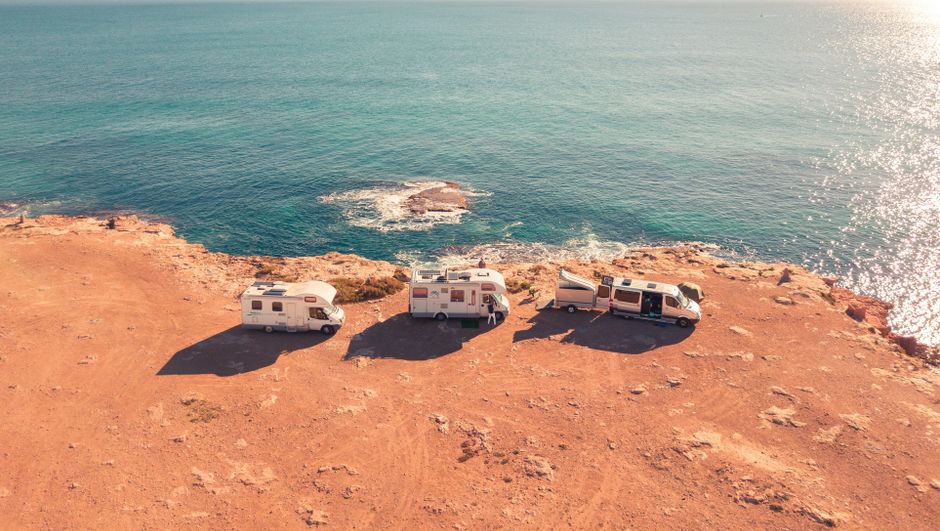
You spend $85,000 on a brand-new Class A motorhome, pull out of the dealership lot, and by mile 200 you’re sitting on the side of I-40 in New Mexico waiting for a tow truck. The slideout stopped working, the generator won’t start, and your cell signal is two bars of despair. I’ve heard this story more times than I can count, and I’ve lived a version of it myself. RV reliability isn’t just a shopping consideration. It can define whether this lifestyle is a dream or a slow financial nightmare.
Why RV Quality Is So Hard to Pin Down
Let’s get something uncomfortable out of the way first. No RV brand is consistently excellent across all product lines. Not one. Thor, Forest River, Winnebago, Airstream, they all have lemons rolling off the same assembly lines in Elkhart, Indiana, where an estimated 80% of North American RVs are manufactured. The problem is structural: RVs are built fast, with a workforce facing serious turnover, combining dozens of subcontracted components (appliances, chassis, slides, plumbing) that no single company fully controls.
That said, some brands do meaningfully better than others. Within brands, some product lines are dramatically more reliable than others. The difference between a Forest River Berkshire and a Forest River Cherokee is enormous, even though they share a parent company. So you have to go a level deeper than brand names alone.
I’ve spent six years on the road, visited repair shops in 31 states, and talked to hundreds of fellow full-timers. Here’s what I’ve actually learned.
The Brands With the Best Reliability Reputations (And Why)
| Brand | Product Line | Reliability Reputation | Price Range | Key Strength |
|---|---|---|---|---|
| Airstream | Classic, International | Excellent | $90,000-$110,000 | Aluminum shell construction; long-term durability |
| Winnebago | Travato, Revel, Adventurer, Sunstar | Good | Varies | Improved consistency; strong van-life community marks |
| Grand Design | Solitude, Reflection | Excellent | Varies | High owner satisfaction; customer service focus |
| Newmar | Dutch Star, King Aire | Excellent | $150,000+ | Premium fit and finish; meticulous quality control |
| Oliver Travel Trailers | Legacy Elite II | Excellent | $65,000-$75,000 | Twin-fiberglass shell; obsessive build quality |
| Keystone | Cougar, Montana | Mixed | Varies | Some good products; water intrusion and electrical issues common |
| Coachmen | Leprechaun, Viking | Poor | Entry-level | Built to price; thin walls, early component failure |
| Fleetwood | Bounder, Discovery | Inconsistent | Varies | Some loyal fans; highly variable quality control by run |
Airstream sits at the top of most experienced RVers’ lists, and there are legitimate reasons for that. Their aluminum shell construction is genuinely different from the fiberglass-over-wood-frame approach that most manufacturers use. Wood rots. Aluminum doesn’t. The bones of a well-maintained 1980s Airstream are still solid today, which says something real about the design philosophy. Their travel trailers, particularly the Classic and International lines, hold up under full-time use better than almost anything else in the towable category.
The tradeoff is cost: a new 28-foot Airstream International runs around $90,000 to $110,000, and even used models stay expensive. You’ll also sacrifice some interior square footage compared to competitors at the same price point.
Winnebago has quietly rebuilt its reputation over the past decade after some rough years in the early 2000s. Their Travato and Revel van conversions get high marks from the van-life community for thoughtful design and build quality. The Adventurer and Sunstar Class A lines have improved consistency. Winnebago also owns Grand Design, which brings me to the next name worth knowing.
Grand Design is the most interesting reliability story in recent RV history. Founded in 2012 by former Jayco executives, they built a reputation almost entirely on customer service and build quality improvements. Their Solitude fifth wheel line and Reflection travel trailers consistently score high in owner satisfaction surveys. iRV2 forums and RV Talk community threads light up with Grand Design owners who are genuinely satisfied, which is rare enough to notice. They were acquired by Winnebago in 2016 but have remained largely operationally independent, and so far quality hasn’t slipped the way it sometimes does post-acquisition.
Newmar makes expensive coaches, and for the money ($150,000 and well above), they deliver a level of fit and finish and quality control that most RV companies don’t attempt. Their Dutch Star and King Aire lines are built with more attention to detail than a typical Elkhart production run. If you’re buying in that price range and you don’t at least look at Newmar, you’re leaving serious quality on the table.
Oliver Travel Trailers is a small manufacturer out of Hohenwald, Tennessee that builds a twin-fiberglass-shell trailer that’s almost obsessively well-made. They only sell direct, no dealer network, and the waitlist used to run 6 to 9 months. Their owners are some of the most vocal advocates I’ve ever encountered, not because the company pays them to be, but because the trailers genuinely don’t fall apart. At around $65,000 to $75,000 for a Legacy Elite II, it’s not cheap. But it’s built like something that wants to last.
Brands and Lines That Disappoint More Often Than They Should
RV LIVING FOR BEGINNERS - The RV Basics You Should Know! · HappilyEverHanks on YouTube
Being honest here matters more than being diplomatic.
Keystone (owned by Thor) has some genuinely good products but also produces a lot of the warranty horror stories you’ll find on RV forums. The Keystone Cougar gets complaints about delamination and water intrusion. The Montana fifth wheel, which markets itself as a premium full-timer option, has a mixed record on slide seal durability and electrical gremlins. Some owners are perfectly happy. Many are not.
Coachmen (Forest River) products at the entry-level price points, the Leprechaun and Viking lines in particular, are built to a price that shows. Thin walls, cheap cabinetry hardware, questionable plumbing connections. You can make them work, but you’ll be replacing components within the first two years.
Fleetwood once meant something in this industry. Today, as a Thor brand, the name carries less assurance than it did 20 years ago. Their Bounder and Discovery lines have die-hard fans, and some units are great. But quality control varies wildly by production run and model year. A 2021 Bounder from one quarter might be notably better built than one from the next quarter.
I don’t say any of this to doom-scroll. I say it because knowing which brands to scrutinize harder during a pre-purchase inspection, and which ones deserve more trust, is genuinely useful information.
How to Evaluate Any RV’s Reliability Before You Buy
Here’s a practical process I’d follow if I were buying tomorrow.
Check the NHTSA complaints database. Go to nhtsa.gov, search the manufacturer and model year. Patterns of complaints, especially on brake systems, chassis, or propane, are red flags worth heeding.
Search iRV2.com forums for the specific model. Don’t just look at the first page. Go 10 pages deep and search terms like “delamination,” “water intrusion,” “slide issues,” and “warranty denied.” The picture that emerges is more honest than any review article.
Hire an independent RV inspector. The National RV Inspectors Association (NRVIA) has a directory. A good inspector costs $300 to $500 and can find $5,000 worth of problems before you sign anything. I’ve never heard someone say it wasn’t worth it.
Check the chassis separately from the coach. For Class A and Class C motorhomes, the Ford E-Series, Freightliner, and Mercedes Sprinter chassis all have strong track records. The coach built on top is the variable. A solid Ford chassis under a questionable Coachmen coach still gives you a reliable drivetrain.
Ask the dealer for the PDI (Pre-Delivery Inspection) checklist. A dealership that won’t show you this is telling you something.
Look at the unit’s specific model year, not just the brand. Manufacturers sometimes have a bad year after a design change or factory move. A 2019 version of a unit might be far more reliable than a 2020 version of the same model.
Factor in what’s inside. Furrion appliances have a worse track record than Dometic. Lippert slide mechanisms are almost universal now and parts are easy to find. Norcold refrigerators have a fire recall history that’s worth researching. Components matter.
Comparison: Class A vs. Fifth Wheel vs. Travel Trailer Reliability Considerations
| Category | Common Strengths | Common Weak Points | Best Reliable Picks |
|---|---|---|---|
| Class A Gas | Wide availability of chassis parts, familiar systems | Slideout failures, roof seam leaks, high repair costs | Winnebago Sunstar, Newmar Ventana |
| Class A Diesel | Strong engines, better longevity at highway speeds | Expensive repairs, DPF system issues on newer models | Newmar Dutch Star, Tiffin Allegro Bus |
| Fifth Wheel | Larger living space, lower center of gravity than trailer | Kingpin wear, slide seal leaks, pin box stress | Grand Design Solitude, Keystone Montana (inspect carefully) |
| Travel Trailer | Lower cost, easier tow vehicle options | Delamination, weight distribution challenges, sway | Airstream International, Oliver Legacy Elite |
| Class B / Van | Easiest to maintain, most maneuverable | Limited living space, expensive per square foot | Winnebago Travato, Airstream Interstate |
| Class C | Good balance of space and maneuverability | Overcab area leaks, high center of gravity | Thor Chateau on Ford E-450, Jayco Greyhawk |
A good surge protector is one of those accessories that protects your investment regardless of what brand you buy. Shore power issues destroy electronics and appliances, and a $100 to $250 protector is cheap insurance. Same goes for a water filter system: campground water quality varies wildly and unfiltered water wrecks hoses and fittings over time.
The Role of Maintenance in the Reliability Equation
This is the part most buyers skip over in their research, and it’s the part that bites them hardest. A well-maintained Keystone will outlast a neglected Grand Design. Full stop.
Roof seams need inspection every 90 days and resealing annually, minimum. Slide seals need conditioning every three to four months. Battery banks need monitoring, and if you’re running AGM or lithium, a quality battery monitor like a Victron BMV-712 will tell you what’s actually happening with your system rather than letting you guess. Leveling blocks sound basic, but consistently leveling your rig protects your refrigerator’s cooling unit from premature failure, which can run $800 to $1,200 to replace.
The full-timers I’ve seen make it five or more years without catastrophic breakdowns are almost always people who maintain obsessively and catch problems small. The ones who treat their RV like a house that takes care of itself are the ones calling me from the side of I-40.
If you’re just getting started and want a structured approach to the whole lifestyle, there are some solid RV living guides that cover maintenance schedules in practical detail.
After 90,000 miles and six years, I still don’t have a perfect answer to the reliability question. What I have is a strong sense that the brands willing to build slower, charge more, and stand behind their product after the sale are worth every extra dollar you pay upfront. The cheapest RV on the lot is rarely the cheapest RV in the long run. Buy the best-built unit your budget can handle, inspect it before you commit, and maintain it like your freedom depends on it. Because on the road, it does.
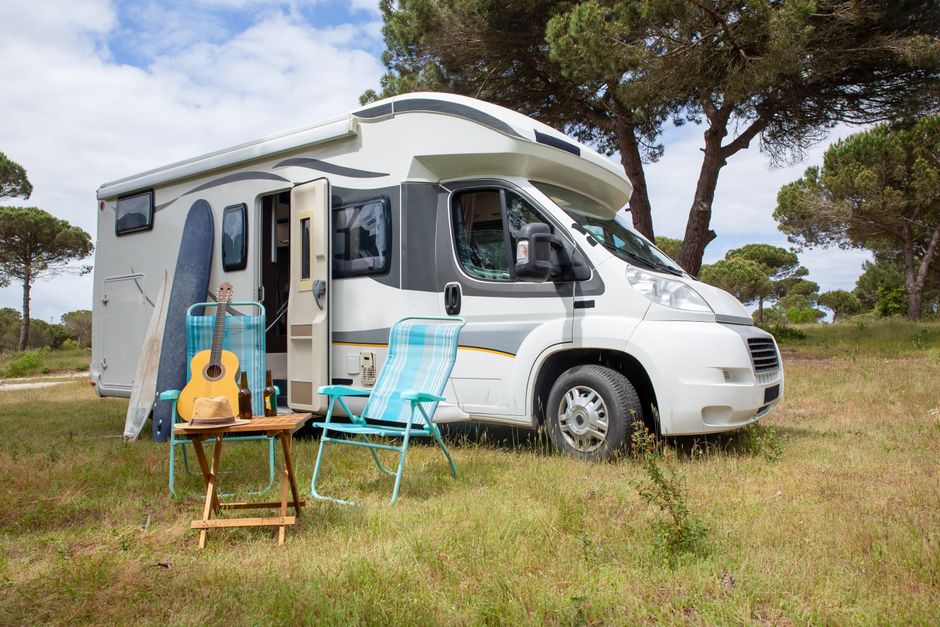
Photo: Willian Justen de Vasconcellos via Pexels
Sources
Disclosure: As an Amazon Associate, we earn a small commission from qualifying purchases at no extra cost to you. We only recommend products that genuinely support the topics covered in this article.
- Ring Alarm 8-Piece Kit + Video Doorbell Bundle (~$299), Complete home security kit with video doorbell, documents visitors and can lower home insurance premiums by up to 20%.