 Julia Davidson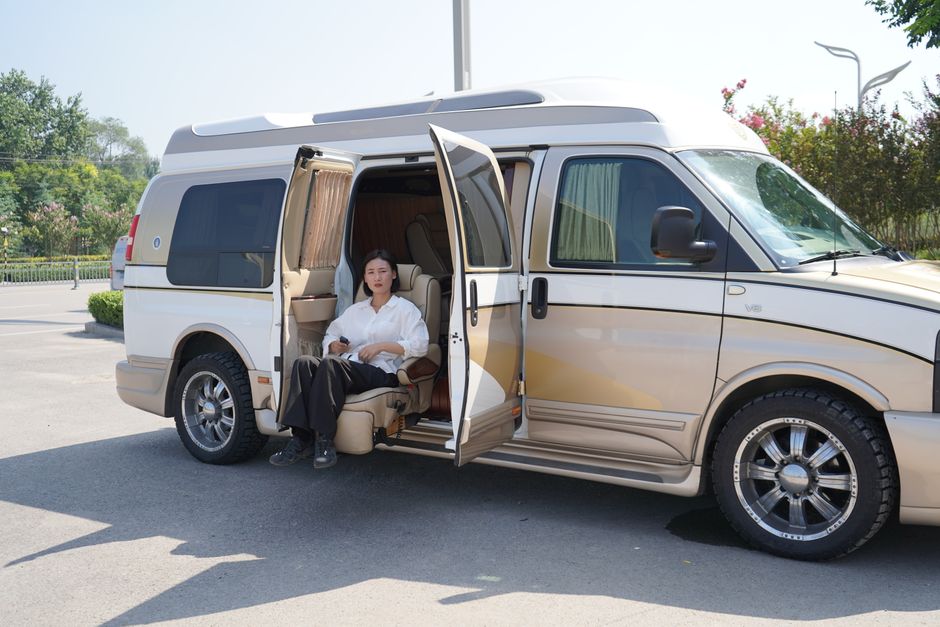
Six years ago I handed over the keys to my 2,400-square-foot house in Columbus, Ohio, drove to a dealership in Indiana, and came home in a 24-foot Class B motorhome. I thought I’d done my research. I had not. Three blown tires, two failed inverters, one terrifying moment on a mountain pass in Colorado, and roughly 90,000 miles later, I can tell you that choosing the right van makes or breaks full-time living in ways no YouTube walkthrough will fully prepare you for.
Class B motorhomes, built on cargo van platforms rather than custom chassis, are the smallest drivable RVs you can buy. That’s both their power and their problem. You can park in a regular campsite, slip into most city parking garages, fill up at a standard gas station pump, and actually drive the thing without feeling like you’re piloting a city bus. But “Class B” covers an enormous range of quality, price, and livability. A $45,000 entry-level build and a $200,000 Airstream Interstate are both technically Class Bs. They’re not remotely the same experience.
This guide is for people seriously considering this lifestyle full time. Not the highlight reel version. The actual version.
What Makes a Class B Actually Livable Full Time
Most shoppers start with floor plan. That’s understandable. It’s usually wrong.
Floor plans matter less than build quality and mechanical platform, because you can rearrange your stuff but you can’t rearrange a fundamentally flawed chassis choice. For full-time use, you need three things above almost everything else: a reliable powertrain, a robust electrical system, and a water system you won’t be constantly fighting. Everything else, including the dinette versus the swivel seat debate, is secondary.
Powertrain reliability is why the Mercedes-Benz Sprinter and Ram ProMaster platforms dominate the premium Class B market. The Sprinter diesel, particularly the 3.0L V6, has a track record that justifies the premium. It gets 18 to 22 MPG on highway, which adds up fast when you’re driving 20,000+ miles a year. The ProMaster runs a Pentastar 3.6L gas V6 that’s genuinely solid but drinks more fuel. The Ford Transit, used by Coachmen and Winnebago on some models, sits somewhere in the middle.
Electrical systems are where cheap builds fall apart fastest. Full-time living means you need real lithium battery capacity, not the 100Ah AGM setup a weekend camper can get away with. Minimum 200Ah lithium. Honestly 300Ah is more comfortable if you’re running a compressor fridge, laptop, phone, and CPAP machine. Solar input matters too. A single 200W panel is almost a joke for full-time use. Look for 400W minimum, with shore power hookup as backup. I run a Renogy 200W solar panel setup in pairs, and it’s been the single best upgrade I’ve made. (Disclosure: this site may earn a commission on purchases made through links.)
The Top Class B Vans Worth Considering Right Now
The best van for full-time living depends heavily on your budget, your travel style, and whether you’ll be boondocking or primarily at campgrounds with hookups.
Winnebago Travato. Built on the Ram ProMaster platform. The 59K and 59G floor plans are the most popular, and for good reason. The 59G has a wet bath versus the 59K’s dry-bath-with-cassette setup, which is a lifestyle decision more than a quality one. Winnebago puts real effort into the electrical package, and many Travatos come with lithium batteries from the factory. MSRP runs $120,000 to $145,000 new. The ProMaster platform means parts are widely available at any Ram/Dodge dealer, which matters when you break down in rural Montana.
Airstream Interstate 24X. If budget isn’t the primary concern, this is the best-built Class B on the market right now. Built on the Sprinter chassis, it’s got genuinely quality cabinetry, a real rear bathroom, and Airstream’s dealer network. MSRP pushes $175,000 to $220,000. It’s not for everyone and it’s not necessary, but if you’re coming from a custom home and prioritize quality of materials, you’ll understand why people spend the money.
Pleasure-Way Plateau TS and Ontour. Built on the Sprinter platform. Pleasure-Way is a smaller Canadian manufacturer that doesn’t get enough attention in the US market. Build quality is exceptional relative to price. The Ontour floor plan, with its slide-out bed that converts from a sofa, is genuinely clever. MSRP around $155,000 to $180,000. Dealer network is thinner, which is a real consideration.
Coachmen Beyond. Built on the Ford Transit. It punches above its price point at around $100,000 to $120,000 new, which puts it more in reach for many buyers. The Beyond 22D has a decent kitchen, real bed options, and a bathroom. The Transit platform is extremely dealer-friendly. Not as refined as the Airstream, but significantly more livable than truly budget options.
Thor Sequence. A newer entrant, also on the ProMaster platform. Thor has a mixed reputation in the RV world, but the Sequence shows they’ve been paying attention. The solar and battery setup is reasonably robust from the factory. Worth a look if you want a ProMaster-based van at a slightly lower entry point than Winnebago.
Head-to-Head: Which Van for Which Lifestyle
RV LIVING FOR BEGINNERS - The RV Basics You Should Know! · HappilyEverHanks on YouTube
| Van | Platform | Est. MSRP | Best For | Watch Out For |
|---|---|---|---|---|
| Winnebago Travato 59K | Ram ProMaster | $120K-$145K | Boondockers, solar-focused users | Tighter bathroom than some |
| Airstream Interstate 24X | Mercedes Sprinter | $175K-$220K | Quality-first buyers, campground users | Price, some Sprinter repair costs |
| Pleasure-Way Ontour | Mercedes Sprinter | $155K-$180K | Couples who want clever design | Thin dealer network |
| Coachmen Beyond 22D | Ford Transit | $100K-$120K | Budget-conscious full-timers | Less premium feel |
| Thor Sequence | Ram ProMaster | $110K-$130K | First-time buyers wanting value | Thor quality control history |
| Van | Platform | Est. MSRP | Best For | Watch Out For |
|---|---|---|---|---|
| Winnebago Travato 59K | Ram ProMaster | $120K-$145K | Boondockers, solar-focused users | Tighter bathroom than some |
| Airstream Interstate 24X | Mercedes Sprinter | $175K-$220K | Quality-first buyers, campground users | Price, some Sprinter repair costs |
| Pleasure-Way Ontour | Mercedes Sprinter | $155K-$180K | Couples who want clever design | Thin dealer network |
| Coachmen Beyond 22D | Ford Transit | $100K-$120K | Budget-conscious full-timers | Less premium feel |
| Thor Sequence | Ram ProMaster | $110K-$130K | First-time buyers wanting value | Thor quality control history |
Sit in every van you’re seriously considering for a full 24 hours if you can. Dealers hate this request. Ask anyway. What feels fine for 20 minutes feels very different at 11 PM when you’re tired, it’s raining, and you’re trying to set up your bed.
The Practical Setup That Actually Works for Full-Time Living
Here’s the honest setup I’d build if I were starting over, knowing what I know now.
Step 1: Get your power right before anything else. Buy a battery monitor like the Victron BMV-712 and actually track your usage for the first month. Most people have no idea what they’re consuming until they’re sitting in the dark at 9 PM. Know your numbers.
Step 2: Surge protect your shore power connection. Every single time. I use a Progressive Industries EMS-PT30C portable unit. A power surge at a sketchy campground can fry your inverter, your converter, and your appliances in one shot. $200 for the protector versus $2,000 in repairs.
Step 3: Filter your water. Don’t drink from hookups without a filter. I run an inline water filter and replace it every three months. Campground water quality varies wildly, and some of it is genuinely rough.
Step 4: Level properly every time. This sounds basic but an out-of-level fridge kills compressor refrigerators faster than almost anything else. Andersen Camper Levelers are the best product in this category. Toss the cheap plastic blocks.
Step 5: Build a realistic budget before you sell your house. Most people underestimate by 30 to 40 percent. My first year cost $42,000 all-in: fuel, campground fees, insurance, maintenance, repairs, food, and a $4,200 transmission replacement nobody told me to budget for. Run a 15 percent emergency buffer on top of whatever number you think you need.
The Things Nobody Tells You About Full-Timing in a Class B
Sources
- Renogy 200W solar panel
- battery monitor
- Progressive Industries EMS-PT30C
- inline water filter
- Andersen Camper Levelers
You will feel small. Not metaphorically. Physically small. A Class B has somewhere between 65 and 100 square feet of living space. That’s not a tiny house. That’s a studio apartment without the “apartment” part. Some people adapt in two weeks. Others feel claustrophobic for months. There’s no way to predict which camp you’ll fall into without living it.
Relationships get stress-tested. I’ve watched couples thrive in Class Bs and I’ve watched couples dissolve inside of a year. The van doesn’t cause problems, but it removes every place you’d normally go to decompress. When you’re angry at your partner, you can’t go to another room. You can go outside, which helps, but it’s raining in the Pacific Northwest six months a year.
Maintenance will cost more than you expect and take longer than you expect. Sprinter repairs at a dealership run $180 to $250 per hour in labor. ProMaster work is cheaper and more widely available. Transit work is somewhere in the middle. Factor this in when choosing your platform.
Internet is solvable but requires effort. Starlink now has an RV plan that runs around $150 a month and has genuinely changed the game for remote work. I pair it with a cellular backup through a Netgear Nighthawk mobile hotspot for the dead zones where Starlink dishes take too long to acquire signal.
The Class B life is genuinely one of the most interesting choices you can make for how to spend your time on earth. I don’t say that as cheerleading. I say it because six years in, on a Tuesday night parked on BLM land outside Moab with the windows open and the Milky Way doing something absurd overhead, I still think about that house in Columbus and feel zero regret. But I also had three months last year where I was exhausted, isolated, and living on ramen while waiting for a repair estimate. Both of those things are real. Pick the right van for your actual life, not the one that looks best in someone else’s Instagram feed, and your odds get a lot better.
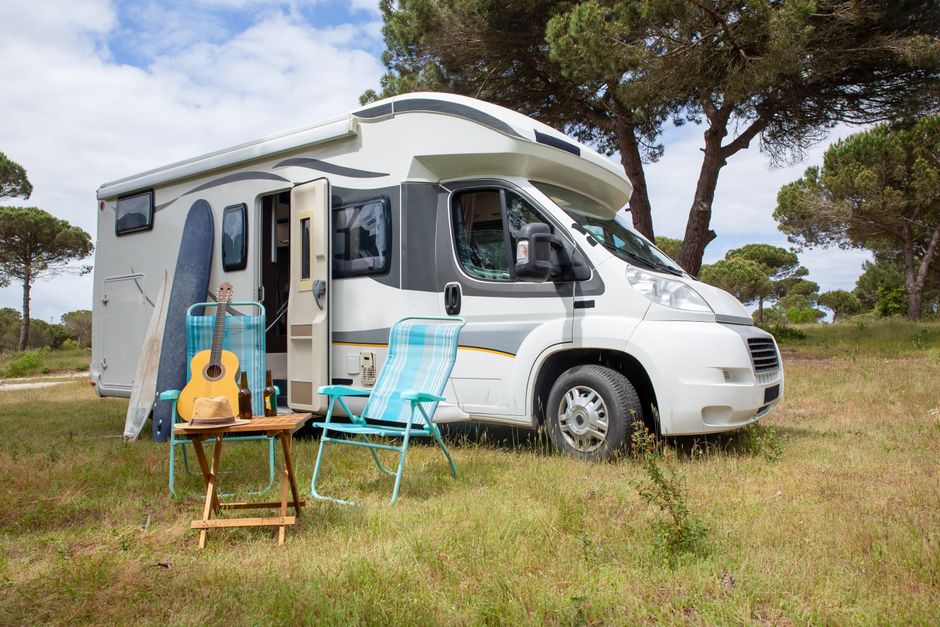
Photo: MingAo WelfareCar via Pexels